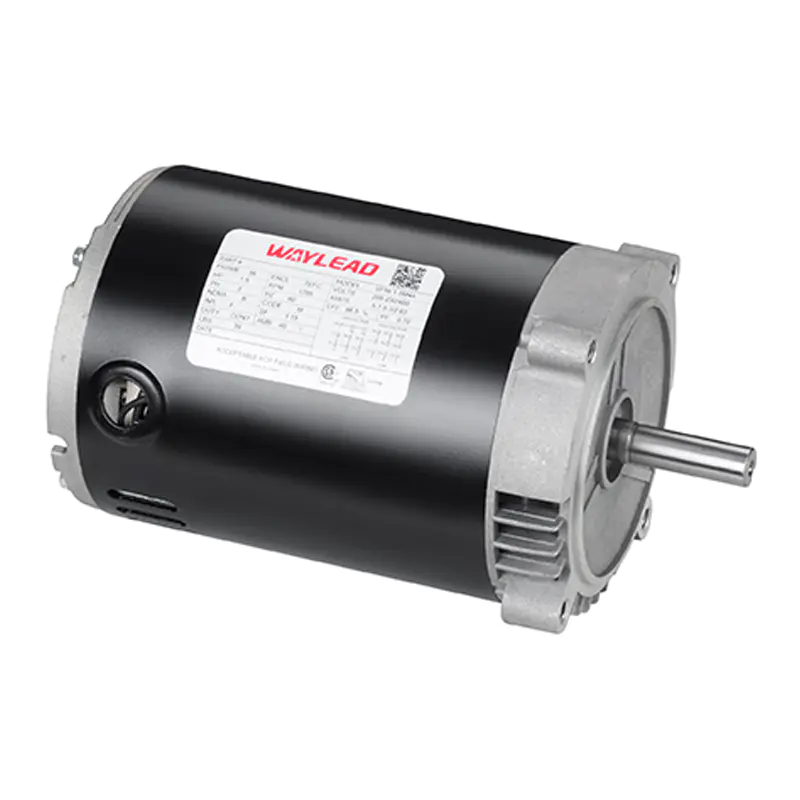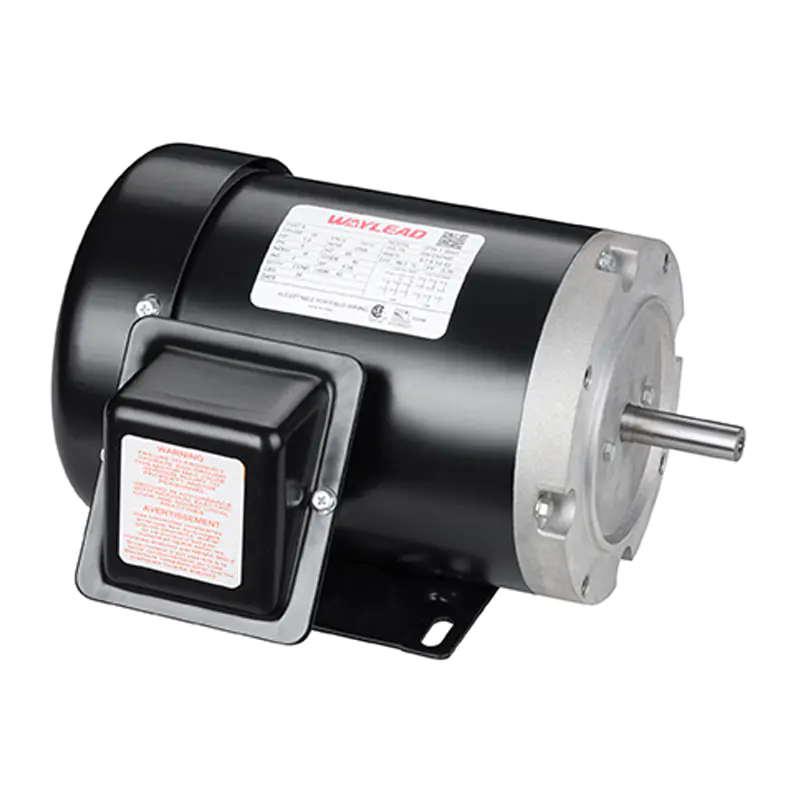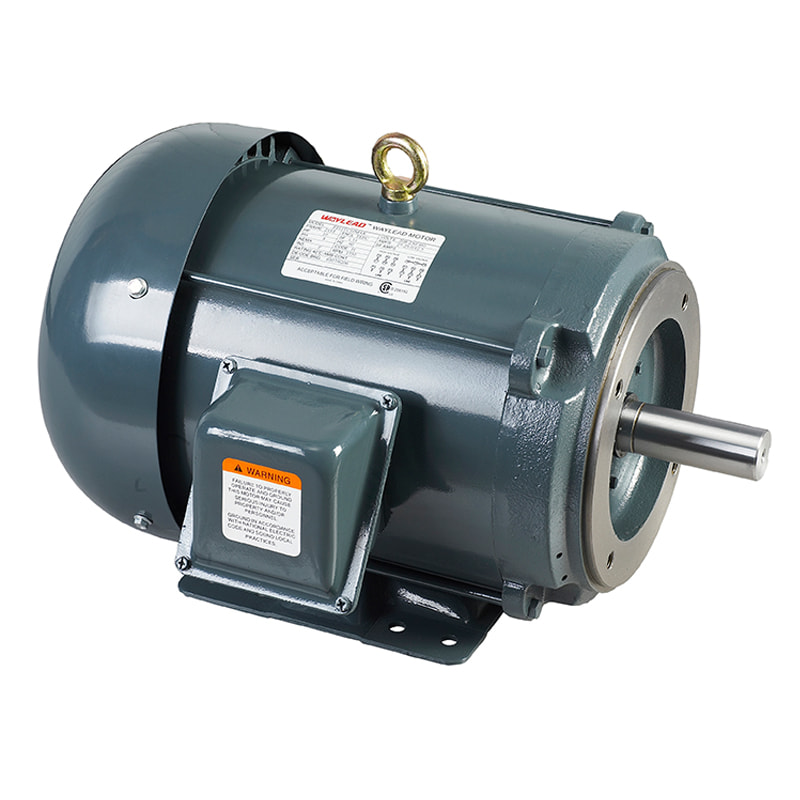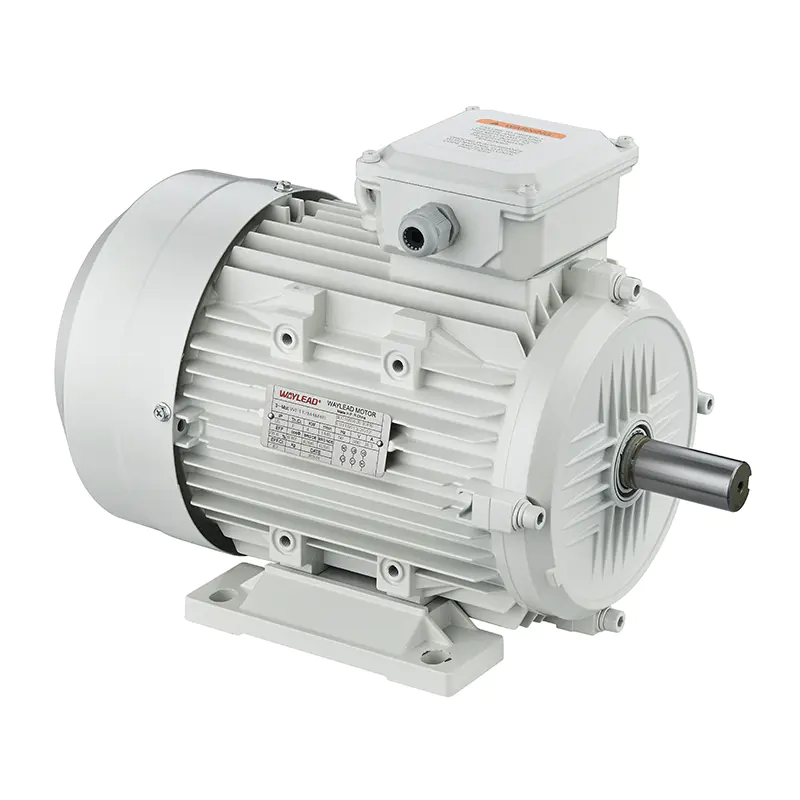
You can wire a single phase motor to a 3 phase power supply using one of three primary methods: a Variable Frequency Drive (VFD), a static or rotary phase converter, or a capacitor-based run circuit. Each method has distinct cost, efficiency, and application profiles. This guide walks you through every option with step-by-step wiring instructions, comparison tables, safety requirements, and FAQs — so you can make the right choice for your specific setup.
Why Would You Need to Connect a Single Phase Motor to 3 Phase Power?
The most common reason is a mismatch between available power infrastructure and motor specifications. In industrial or workshop environments, the facility may supply only 3-phase 208V, 240V, or 480V power, while a single phase 120V or 240V motor is already on hand. Rather than replacing the motor — which can cost hundreds to thousands of dollars — engineers and technicians adapt the wiring using conversion equipment.
Common real-world scenarios include:
- Repurposing legacy single phase motors in newly upgraded 3-phase facilities
- Using a single phase pump or compressor motor where only 3-phase service is available
- Workshop machines (lathes, mills, grinders) rated for single phase being moved to 3-phase buildings
- Agricultural or rural equipment installations with 3-phase utility supply
Understanding the Electrical Basics Before You Wire Anything
Single phase motors operate on one alternating current waveform (typically 120V or 240V), while 3 phase systems deliver three simultaneous waveforms offset by 120 degrees. You cannot directly connect a single phase motor to all three legs of a 3-phase supply — doing so will damage the motor windings instantly.
Instead, you must:
- Option A: Use only two legs (L1 and L2) of the 3-phase supply if they provide the correct single phase voltage
- Option B: Use a VFD to convert 3-phase input into a controlled single phase output
- Option C: Use a phase converter to derive a usable single phase leg from the 3-phase supply
Method 1: Direct Two-Leg Connection from 3 Phase Supply
This is the simplest method — connect the single phase motor to just two of the three available phase legs, provided the line-to-line voltage matches the motor's rated voltage.
When This Method Works
- Your 3-phase supply is 240V line-to-line and your motor is rated 240V single phase
- Your 3-phase supply is 208V and motor is rated 208V
- Load is light to moderate (under 2 HP recommended)
Step-by-Step Wiring Instructions
- Turn off all power at the breaker panel and verify with a multimeter — confirm 0V before touching any terminals.
- Identify L1 and L2 from the 3-phase panel. Leave L3 completely unused and insulated.
- Install a 2-pole breaker rated for the motor's FLA (Full Load Amps) × 1.25 for continuous duty.
- Connect L1 to the motor's Line 1 terminal and L2 to Line 2 terminal using appropriately sized wire (see table below).
- Connect the ground wire to the motor frame ground terminal.
- Verify capacitor connections if it's a capacitor-start or capacitor-run motor — these must be intact for proper starting torque.
- Restore power and test under no-load first, then apply load gradually while monitoring current draw.
| Motor HP | Approx. FLA (240V) | Wire Gauge (AWG) | Breaker Size |
| 0.5 HP | 4.9 A | 14 AWG | 15 A |
| 1 HP | 8.0 A | 14 AWG | 15 A |
| 2 HP | 12.0 A | 12 AWG | 20 A |
| 3 HP | 17.0 A | 12 AWG | 25 A |
Table 1: Recommended wire gauge and breaker size for single phase motors connected to two legs of a 3-phase supply at 240V.
Method 2: Using a Variable Frequency Drive (VFD)
A VFD is the most technically robust solution — it accepts 3-phase input, converts it internally to DC, then outputs a precisely controlled single phase AC signal to run the motor. It also provides soft-start, overload protection, and speed control.
VFD Wiring Steps for Single Phase Motor
- Select the correct VFD: The VFD must be rated for single phase output. Most standard VFDs output 3-phase; you need a VFD explicitly designed or configurable for single phase output motor control.
- Connect 3-phase input (R, S, T terminals) from the panel to the VFD's input side using appropriately rated wire and a 3-pole breaker.
- Connect VFD output (U, V terminals) to the motor's two line terminals. Do not use the W output terminal.
- Ground the VFD chassis and motor frame independently to the system ground.
- Program the VFD parameters: Set motor voltage (e.g., 240V), frequency (60 Hz), FLA, and output phase mode to single phase.
- Disable or bypass internal capacitors if the motor is a capacitor-start type — the VFD's soft-start function replaces them.
- Run a no-load test, verify output voltage with a meter, then test under full load.
Pro Tip: When using a VFD, always install an output reactor (line choke) between the VFD and the motor if wire length exceeds 25 feet. This reduces voltage spikes that can degrade motor winding insulation over time.
Method 3: Static or Rotary Phase Converter
A phase converter takes two legs of 3-phase power and generates a third "derived" leg, producing a usable single phase output. Static converters are cheaper but less efficient; rotary converters use a spinning motor-generator for cleaner output.
Static Phase Converter Wiring
- Connect the converter's input terminals to L1 and L2 from the 3-phase panel.
- Connect the converter's output terminals to the motor's T1 and T2 terminals.
- Connect the ground wire from the converter's ground terminal to the motor frame.
- The converter uses internal capacitors to simulate a phase shift — do not add external capacitors unless specified.
- Test starting current; static converters typically deliver only 2/3 of rated HP during run, so size the motor at 150% of actual load.
Comparison: VFD vs. Phase Converter vs. Direct Two-Leg Wiring
Choosing the right method depends on your motor size, load type, budget, and need for speed control. The table below summarizes the key differences.
| Feature | VFD | Static Phase Converter | Direct Two-Leg |
| Cost | $80 – $400+ | $30 – $150 | Near zero |
| Efficiency | 95–98% | 65–75% | ~100% (if voltage matches) |
| Speed Control | Yes (full range) | No | No |
| Soft Start | Yes | No | No |
| Motor HP Limit | Up to 100+ HP | Up to 10 HP typical | Up to 3 HP (safe) |
| Installation Difficulty | Moderate | Easy | Easy |
| Motor Protection | Excellent (built-in) | Minimal | External overload needed |
| Best For | Precision loads, pumps, fans | Simple on/off loads | Small motors, matched voltage |
Table 2: Side-by-side comparison of three methods for connecting a single phase motor to 3-phase power, covering cost, efficiency, and application suitability.
Understanding Capacitor Wiring in Single Phase Motors
Most single phase motors use capacitors to create an artificial phase shift for starting or running. When wiring these motors to a 3-phase derived source, capacitor behavior must be carefully managed.
Capacitor-Start Motor
The start capacitor (typically 100–400 µF, electrolytic) is in series with the start winding and disconnected by a centrifugal switch once the motor reaches ~75% of full speed. When using a VFD, remove or bypass the start capacitor — the VFD provides the required voltage ramp. When using direct two-leg or phase converter methods, leave the capacitor circuit intact.
Capacitor-Run Motor
The run capacitor (typically 5–50 µF, film/foil) remains permanently in circuit to improve power factor and torque smoothness. Always keep the run capacitor connected unless specifically directed by the VFD manufacturer to remove it — most VFDs can tolerate run capacitors below 50 µF.
Critical Safety Requirements When Wiring Motors to 3 Phase Power
Safe motor wiring requires adherence to NEC (National Electrical Code) standards, proper PPE, and verified equipment ratings. Skipping safety steps can result in electrical fires, equipment destruction, or fatal shock.
- Always use a lockout/tagout (LOTO) procedure before working on any motor circuit — confirm zero energy with a calibrated multimeter.
- Never exceed the motor's nameplate voltage by more than ±10%. Overvoltage causes insulation breakdown; undervoltage causes excessive current draw and overheating.
- Install a thermal overload relay sized to 115–125% of motor FLA on all direct-wired installations without a VFD.
- Ground all metal enclosures, motor frames, and VFD chassis to the system equipment ground — never rely on conduit alone for grounding continuity.
- Use wire rated for 75°C or 90°C (THHN/THWN) sized to 125% of motor FLA as required by NEC Article 430.
- Verify phase rotation using a phase rotation meter before connecting, especially if motor direction matters for the driven load.
Troubleshooting Common Problems After Wiring
Motor Hums but Does Not Start
This usually indicates a faulty start capacitor or a failed centrifugal switch. Discharge the capacitor safely using a 10kΩ resistor, then test capacitance with a capacitor meter. Replace if reading is more than 10% below the rated value.
Motor Overheats Within Minutes
Overheating after connecting to a 3-phase source is typically caused by incorrect voltage (too high or too low), a missing or wrong run capacitor, or excessive load. Check nameplate voltage vs. actual supply voltage with a meter, verify capacitor value, and measure running current against FLA.
VFD Trips on Overcurrent Immediately
If the VFD trips immediately on startup, verify that the motor FLA is programmed correctly in the VFD parameters. Also check if the start capacitor is still connected — this creates a reactive current spike that can trigger overcurrent protection. Remove the capacitor and retry.
Motor Runs in Wrong Direction
Swap the connections of the two motor lead terminals (T1 and T2) at the motor terminal box — do not swap wires at the panel. For VFD-controlled motors, most drives have a reverse parameter setting that avoids rewiring entirely.
Tools and Materials You Need for This Job
- True RMS multimeter — for measuring AC voltage, current, and continuity
- Clamp meter — for measuring running current without breaking the circuit
- Wire stripper / crimper — for preparing and terminating conductors
- Insulated screwdrivers and hex keys — for terminal connections
- Phase rotation meter — to confirm phase sequence before energizing
- Capacitor meter / LCR meter — for testing capacitors before and after wiring
- LOTO kit — mandatory for safe lockout/tagout procedures
- Appropriately rated THHN wire in correct AWG for the motor load
Frequently Asked Questions (FAQ)
Can I connect a single phase motor directly to all three phases?
No. Connecting a single phase motor to all three legs of a 3-phase supply will immediately damage or destroy the motor windings. The motor is designed for one alternating waveform — not three simultaneous waveforms that are 120° apart. Always use only two legs or a conversion device.
What happens if the voltage of two legs doesn't match my motor?
A voltage mismatch will cause the motor to overheat, draw excessive current, or fail to start. For example, connecting a 120V motor across two legs of a 208V 3-phase supply (which gives 208V line-to-line) will immediately over-stress the windings. Always verify the motor nameplate voltage against the actual measured line-to-line voltage.
Can a VFD be used to power a capacitor-start motor?
Yes, but you must disconnect or bypass the start capacitor before using the VFD. The VFD provides a controlled voltage ramp that makes the start capacitor unnecessary — and leaving it connected can damage the VFD's output transistors due to capacitive inrush current spikes.
Is it safe to use a static phase converter for heavy loads?
Static phase converters are generally rated for loads up to 5–10 HP, but they deliver only about 65–75% of the motor's rated power during continuous run. For heavy or constant-duty loads, a rotary phase converter or VFD is significantly more reliable and efficient. Static converters are best for intermittent-duty equipment like drill presses or band saws.
Do I need a permit to wire a motor to a 3-phase panel?
In most jurisdictions, yes — any work involving a new branch circuit connection to a panel requires an electrical permit and must be inspected by a licensed electrician or authority having jurisdiction (AHJ). Check your local electrical code. Unpermitted work can void insurance coverage and create liability in the event of fire or injury.
What wire size should I use for a 1 HP single phase motor on a 240V two-leg circuit?
A 1 HP, 240V single phase motor has a typical FLA of 8.0 amps. Per NEC Article 430, the minimum conductor size must carry 125% of FLA (10 amps), which is satisfied by 14 AWG THHN wire rated at 15 amps. However, if the run exceeds 50 feet, consider upsizing to 12 AWG to minimize voltage drop below 3%.
Can I reverse a single phase motor that's wired to a 3-phase source?
Yes. For a directly wired motor, swap the two motor supply leads (T1 and T2) at the motor terminal box. For a VFD-controlled motor, use the drive's built-in direction parameter rather than rewiring. Never swap leads at the 3-phase panel — this changes the entire circuit's polarity, not just the motor direction.
Conclusion: Choosing the Right Wiring Method for Your Single Phase Motor
Wiring a single phase motor to a 3-phase supply is entirely achievable with the right method and proper safety practices. For small motors where the two-leg voltage matches the motor rating, a direct two-leg connection is the simplest and most efficient approach. For applications requiring speed control, soft-start, or built-in motor protection, a VFD is the professional-grade solution. Phase converters fill the middle ground for simple on/off loads where a VFD's cost isn't justified.
Always verify voltage compatibility, size your conductors and overcurrent protection per NEC Article 430, and follow lockout/tagout procedures without exception. When in doubt, consult a licensed electrician — the cost of a consultation is far less than replacing a burned motor or repairing fire damage.