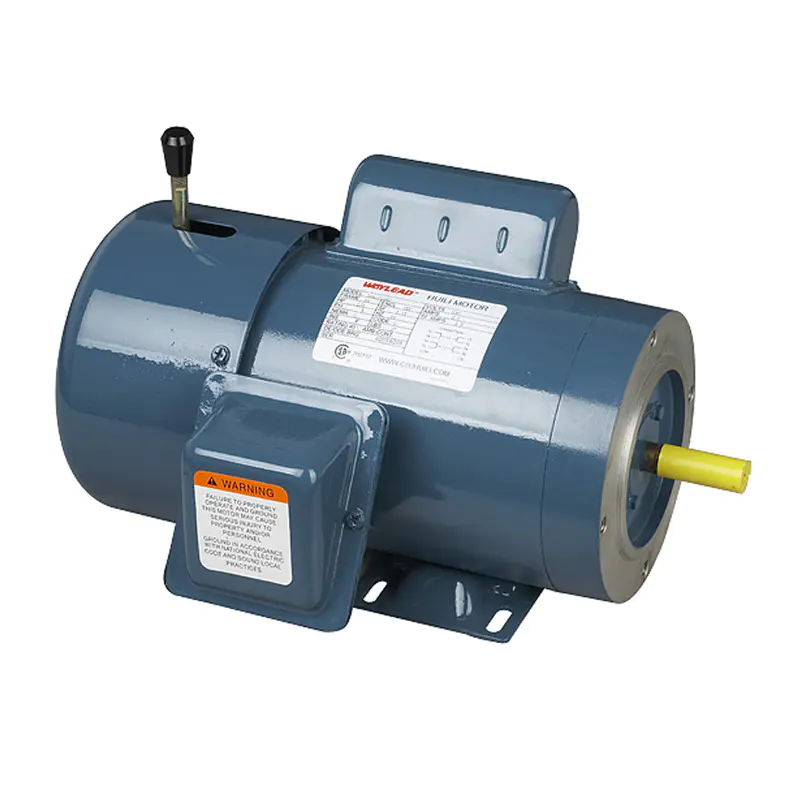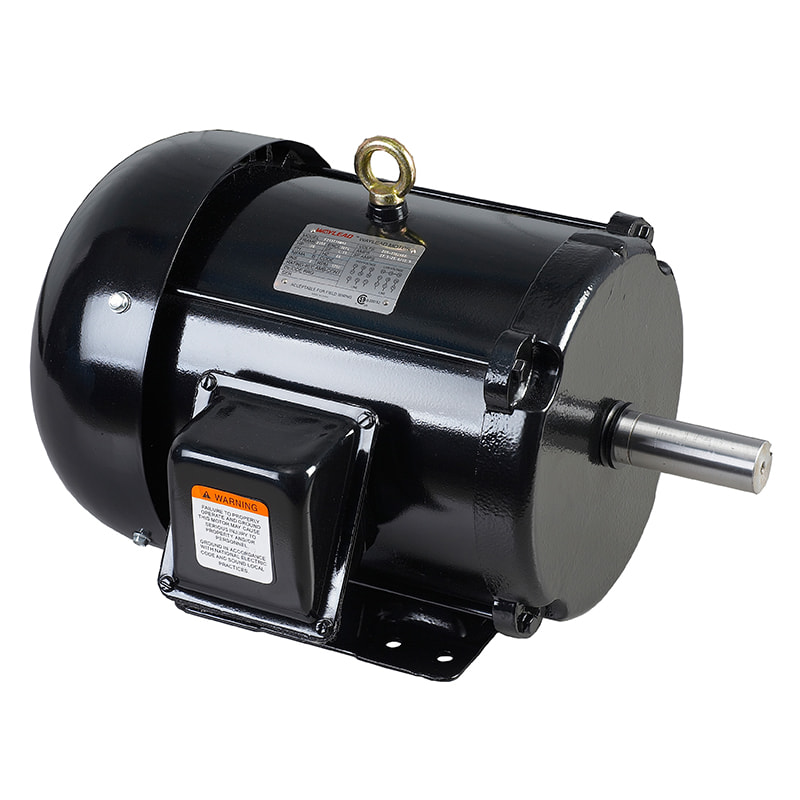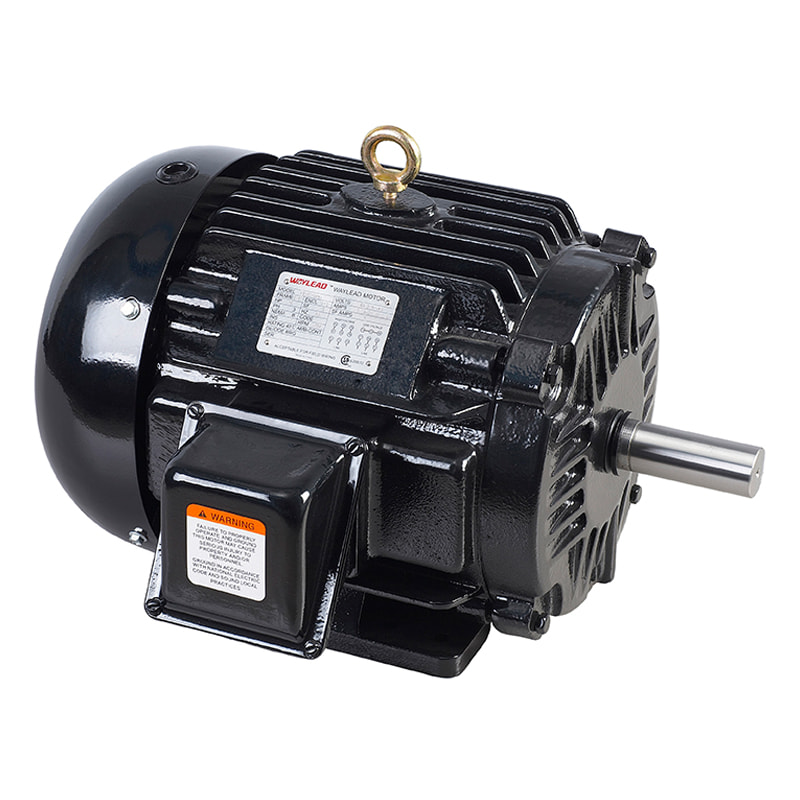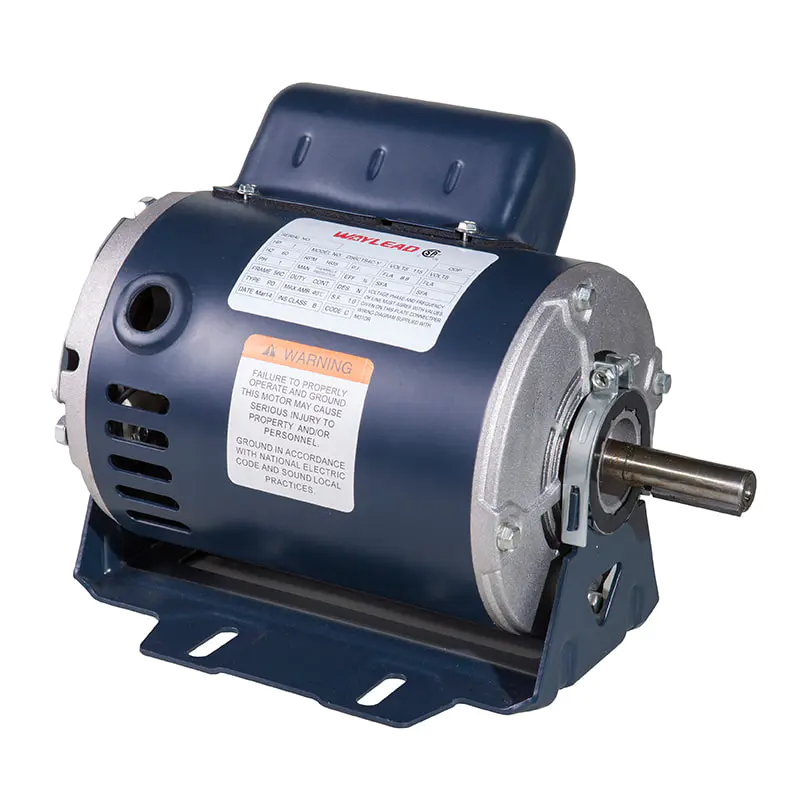
Ultra-premium efficient motors are the highest efficiency class of electric motors available today, defined by the IE5 standard under IEC 60034-30-1, delivering efficiency ratings of 95%–97%+ across standard power ranges — reducing energy consumption by 20–40% compared to standard motors and cutting operating costs by thousands of dollars annually in continuous-duty applications. Whether you are specifying motors for industrial manufacturing, HVAC systems, pumps, or compressors, this guide explains exactly what ultra-premium efficient motors are, how they differ from lower efficiency classes, when they justify their higher upfront cost, and how to select the right one for your application.
What Are Ultra-Premium Efficient Motors?
Ultra-premium efficient motors are electric motors that meet or exceed the IE5 (International Efficiency Class 5) standard, representing the pinnacle of commercial motor efficiency currently achievable in mass production. The classification system is defined by the International Electrotechnical Commission (IEC) standard 60034-30-1, which establishes minimum efficiency thresholds by motor power rating and pole configuration.
The term "ultra-premium" maps directly to the IE5 designation and represents a step above the previously highest class IE4 (super-premium). In North American markets, the NEMA equivalent terminology uses "Premium Efficiency" (roughly IE3) and "Super Premium" (roughly IE4), with IE5-class motors marketed under the ultra-premium label by manufacturers and energy regulators.
Ultra-premium efficient motors achieve their extraordinary efficiency levels through a combination of advanced design choices unavailable or cost-prohibitive in lower classes:
- Synchronous reluctance or permanent magnet rotor designs that eliminate rotor copper losses entirely
- High-grade electrical steel laminations (grain-oriented silicon steel) reducing core hysteresis and eddy current losses
- Optimized stator winding geometries minimizing copper resistance losses
- Advanced cooling systems maintaining lower operating temperatures that further reduce resistive losses
- Precision bearing systems with ultra-low friction to minimize mechanical losses
IEC Motor Efficiency Classes Explained: IE1 Through IE5
Understanding where ultra-premium efficient motors sit within the full IEC classification framework is essential for making cost-justified purchasing decisions.
| IEC Class | Name | Typical Efficiency (11 kW, 4-pole) | Common Application | Regulatory Status (EU) |
|---|---|---|---|---|
| IE1 | Standard | ~87.6% | Legacy / retrofit only | Banned for new installs |
| IE2 | High | ~89.8% | Variable speed with VFD | Restricted (VFD use only) |
| IE3 | Premium | ~91.4% | General industrial DOL | Minimum standard (≥0.75 kW) |
| IE4 | Super Premium | ~93.0% | High-duty pumps, fans, compressors | Voluntary / incentivized |
| IE5 | Ultra-Premium | ≥95.0% | Data centers, critical processes | Emerging mandate (2027+) |
Table 1: IEC motor efficiency classification framework with typical efficiency values at 11 kW, 4-pole configuration. Efficiency values per IEC 60034-30-1. EU regulatory status reflects ErP Directive trajectory as of 2025.
The efficiency gap between IE3 and IE5 — approximately 3.5–4 percentage points at 11 kW — may seem small, but its financial impact is enormous at scale. For a motor running 8,000 hours per year at 11 kW load, moving from IE3 (91.4%) to IE5 (95.0%) saves approximately 3.5 kW of continuous losses, translating to roughly 28,000 kWh saved annually. At $0.12/kWh industrial electricity rates, that is $3,360 in annual savings per motor.
The Technology Behind Ultra-Premium Efficient Motors
Reaching IE5 efficiency levels is only possible through fundamental changes to motor topology — IE5 motors almost always use synchronous designs rather than the traditional induction (asynchronous) motor architecture.
Synchronous Reluctance Motors (SynRM)
Synchronous reluctance motors use a specially shaped rotor that creates a difference in magnetic reluctance between rotor axes, generating torque without any rotor windings, magnets, or electrical connections to the rotor. This eliminates rotor copper losses entirely — the primary inefficiency source in induction motors. SynRM motors paired with variable frequency drives (VFDs) achieve IE4–IE5 efficiencies and are increasingly the dominant technology in new ultra-premium efficient motor installations due to their robustness, lower cost compared to permanent magnet designs, and recyclability.
Permanent Magnet Synchronous Motors (PMSM)
Permanent magnet synchronous motors embed high-energy rare-earth magnets (typically neodymium iron boron, NdFeB) in the rotor, creating a constant magnetic field without the need for induced rotor currents. PMSMs offer the highest achievable efficiency in their class and maintain excellent efficiency across a wide speed range. Their limitation is cost: rare-earth materials are expensive and subject to supply chain volatility, making PMSM-based ultra-premium efficient motors typically 30–60% more expensive than equivalent SynRM units.
Interior Permanent Magnet (IPM) Motors
A subset of PMSM design where magnets are embedded inside the rotor laminations rather than mounted on the surface, IPM motors combine the benefits of permanent magnet excitation with reluctance torque contribution from the rotor geometry. This hybrid effect allows IPM motors to achieve very high efficiency while using less magnetic material than surface-mounted designs, partially addressing the cost concern. IPM motors are common in ultra-premium efficient motor applications where variable speed operation is required and maximum efficiency at partial loads is critical.
Switched Reluctance Motors (SRM)
Switched reluctance motors use electronically commutated current pulses to pull salient rotor poles into alignment with energized stator poles. They contain no windings or magnets on the rotor — making them exceptionally rugged and heat-tolerant. Advanced control algorithms have brought SRM efficiency into the IE4–IE5 range in recent designs, and their simple construction makes them attractive for high-temperature or chemically aggressive environments where conventional motor designs struggle.
Return on Investment: When Ultra-Premium Efficient Motors Pay Off
The ROI case for ultra-premium efficient motors is strongest in continuous-duty, high-load applications — where payback periods as short as 12–24 months are achievable despite the higher upfront cost.
| Motor Size | Annual Hours | IE3 → IE5 Energy Saved (kWh/yr) | Annual Savings ($0.12/kWh) | IE5 Premium Cost | Simple Payback |
|---|---|---|---|---|---|
| 7.5 kW | 8,000 | ~17,600 | $2,112 | ~$800–$1,200 | 5–7 months |
| 15 kW | 8,000 | ~38,400 | $4,608 | ~$1,500–$2,500 | 4–7 months |
| 37 kW | 8,000 | ~96,000 | $11,520 | ~$3,000–$5,000 | 3–5 months |
| 75 kW | 8,000 | ~192,000 | $23,040 | ~$6,000–$10,000 | 3–5 months |
| 7.5 kW | 2,000 (intermittent) | ~4,400 | $528 | ~$800–$1,200 | 18–27 months |
Table 2: Estimated ROI for upgrading from IE3 to IE5 ultra-premium efficient motors at $0.12/kWh industrial electricity rate. Energy savings assume ~3.5% efficiency gain; actual results vary by load profile and motor size. Cost premiums are indicative ranges only.
The ROI calculation changes significantly with operating hours. A motor running 8,000 hours per year (continuous process duty) may pay back within months. The same motor on an intermittent 2,000-hour annual duty cycle extends payback to 18–27 months — still typically well within the motor's 20+ year service life, but less compelling for budget-constrained projects. The break-even threshold for ultra-premium efficient motors is generally considered to be 2,000+ operating hours per year at standard industrial electricity rates.
Best Applications for Ultra-Premium Efficient Motors
Ultra-premium efficient motors deliver their greatest value in applications characterized by high annual operating hours, continuous or near-continuous duty, and large motor power ratings.
Industrial Pumping Systems
Pumps driving water supply, cooling water circulation, process fluid transfer, and wastewater treatment frequently run 6,000–8,760 hours per year. Pump motor sizes ranging from 11 kW to 200+ kW represent the sweet spot where IE5 ultra-premium efficient motors provide the fastest ROI. Many utilities and water authorities now mandate IE4 or IE5 motors in new pump installations under green infrastructure requirements.
HVAC Fans and Air Handling Units
Commercial and industrial HVAC fans — particularly air handling units (AHUs), cooling tower fans, and supply/return air fans in large buildings — are prime candidates. A 30 kW AHU fan motor running 7,000 hours per year upgraded from IE3 to IE5 saves approximately 8,400 kWh annually. With building operators facing increasing pressure under energy performance certificates (EPCs) and LEED certification requirements, ultra-premium efficient motors in HVAC are increasingly specified by default in new commercial construction.
Data Center Cooling Infrastructure
Data centers operate 8,760 hours per year by definition and face intense pressure to minimize power usage effectiveness (PUE) ratios. Cooling system motors — chillers, computer room air handlers (CRAHs), cooling tower fans — account for 30–40% of data center energy consumption. Ultra-premium efficient motors in data center cooling infrastructure directly reduce PUE, a metric that data center operators report publicly and that increasingly affects facility valuations and regulatory compliance.
Compressors and Compressed Air Systems
Industrial compressed air systems are notorious energy consumers, often accounting for 20–30% of total factory electricity consumption. Compressor motors sized 15–250 kW running continuously represent an enormous opportunity for efficiency improvement. Studies by the U.S. Department of Energy found that compressed air systems are typically operated at only 50–70% of optimal efficiency — upgrading the drive motor to ultra-premium efficiency class is one of the most cost-effective single interventions available.
Conveyor and Material Handling Systems
In distribution centers, manufacturing plants, and mining operations, conveyor drive motors may run 16–24 hours per day. Ultra-premium efficient motors in conveyor applications not only reduce energy costs but also generate less heat, reducing the thermal load on conveyor environments and extending conveyor component life. A logistics facility with 50 conveyor drive motors averaging 5.5 kW each could save $25,000–$50,000 annually by upgrading the entire fleet from IE3 to IE5.
How to Select the Right Ultra-Premium Efficient Motor
Selecting an ultra-premium efficient motor requires matching five critical parameters to your application — getting any one wrong can negate the efficiency advantage.
| Selection Parameter | Key Consideration | Common Mistake |
|---|---|---|
| Power Rating (kW) | Size to 75–90% of rated load for best efficiency | Oversizing — motors at <50% load lose IE5 advantage |
| Speed / Poles | 2-pole (3000 rpm) and 4-pole (1500 rpm) have best IE5 availability | Assuming all pole counts available in IE5 — 6-pole IE5 is scarce |
| Drive Type | SynRM and PMSM types require VFD — cannot run DOL | Ordering IE5 motor without budgeting for VFD cost |
| Frame / Mounting | Verify IEC or NEMA frame matches existing mounting footprint | IE5 SynRM may have different frame size than replaced induction motor |
| Environment / IP Rating | Match IP protection class to installation environment | Specifying standard IP55 for wet or corrosive environments |
| Load Profile | Confirm annual operating hours justify IE5 premium cost | Applying IE5 to intermittent (<1,000 hr/yr) duty cycles |
Table 3: Critical selection parameters for ultra-premium efficient motors with common specification errors. SynRM = Synchronous Reluctance Motor; DOL = Direct Online starting; VFD = Variable Frequency Drive.
The VFD Requirement: A Critical Specification Point
The majority of ultra-premium efficient motors based on SynRM or PMSM technology cannot be started direct-on-line (DOL) — they require a variable frequency drive (VFD) to control starting, speed, and torque. This is a critical difference from standard induction motors that can be switched directly from the power supply. Budget for a VFD when specifying IE5 motors: a VFD sized for a 15 kW motor typically adds $400–$1,200 to the installation cost, but also enables speed control that can independently reduce energy consumption by an additional 20–40% in variable-torque loads like pumps and fans.
Regulatory Landscape: Why Ultra-Premium Motors Are Becoming Mandatory
Global regulations are progressively tightening minimum motor efficiency requirements, with IE5 ultra-premium efficient motors expected to become the mandated standard for large motors in key markets by 2027–2030.
The European Union's Ecodesign Regulation (EU) 2019/1781 — part of the Energy-related Products (ErP) Directive — established a clear efficiency escalation schedule. Since July 2023, motors from 75 kW to 200 kW must meet IE4 minimum standards in the EU. Industry consensus and regulatory proposals point toward IE5 mandates for motors above 75 kW by 2027 and progressive extension down to smaller power ranges thereafter.
In the United States, the Department of Energy (DOE) EISA 2007 Act established NEMA Premium Efficiency (roughly IE3) as the minimum for most general-purpose motors. DOE rulemakings currently under review propose tightening these to IE4-equivalent minimums, with IE5 specifications referenced in federal procurement guidelines for new government facility motor purchases.
China's GB 18613-2020 standard now mandates IE3 for new motors sold domestically, with government industrial efficiency programs actively incentivizing IE4 and IE5 adoption through subsidy programs. The regulatory trajectory globally is unambiguous: organizations specifying IE3 motors today may face compliance gaps within a single motor replacement cycle.
Maintenance and Lifespan of Ultra-Premium Efficient Motors
Ultra-premium efficient motors, particularly SynRM designs, typically require less maintenance than conventional induction motors due to their simpler rotor construction and lower operating temperatures.
Because SynRM rotors contain no windings, no rotor bars, and no electrical connections, the rotor itself is essentially maintenance-free. The elimination of rotor copper losses means the motor runs significantly cooler at equivalent load — operating temperature reductions of 10–15°C are typical compared to equivalent induction motors. For every 10°C reduction in winding temperature, insulation life approximately doubles according to the Arrhenius thermal aging model, dramatically extending mean time between failure (MTBF).
PMSM-based ultra-premium efficient motors require more careful maintenance attention because high-energy permanent magnets can demagnetize if subjected to excessive heat (above the magnet's Curie temperature), strong external magnetic fields, or shock loading. However, properly applied and protected PMSM motors have demonstrated 20+ year operational lifespans in well-maintained industrial settings.
Key maintenance requirements for ultra-premium efficient motors:
- Bearing lubrication — relubricate per manufacturer schedule (typically every 2,000–4,000 operating hours depending on speed and frame size)
- VFD parameter verification — confirm drive settings (motor ID data, current limits, speed limits) remain correctly configured after any drive replacement or firmware update
- Insulation resistance testing — annual megohm testing of stator windings, particularly important in humid or contaminated environments
- Vibration monitoring — use predictive monitoring to detect bearing wear before it causes shaft imbalance that loads the VFD and motor unevenly
Frequently Asked Questions
IE4 (super-premium) and IE5 (ultra-premium) both represent advanced efficiency classes, but IE5 sets the bar approximately 1.5–2.5 percentage points higher in efficiency at comparable power ratings. At 11 kW, 4-pole configuration, IE4 delivers ~93.0% efficiency while IE5 reaches ≥95.0%. This gap may seem small but translates to meaningful energy savings in continuous-duty applications. IE5 motors almost always require synchronous motor technology (SynRM or PMSM) and VFD control, whereas some IE4 motors can be achieved with highly optimized induction designs in larger frame sizes.
In most cases, yes — but with an important caveat. If you are replacing an induction motor with a SynRM or PMSM-based IE5 motor, you will also need to install a compatible variable frequency drive (VFD) if one is not already present, since these synchronous motor types cannot be started direct-on-line. Additionally, verify the replacement motor's frame size and mounting dimensions match the existing installation — IE5 SynRM motors sometimes have slightly different physical dimensions than the induction motor they replace, though most manufacturers design retrofit-compatible frame sizes.
Generally, no — or at least rarely. For motors below 5 kW, the absolute energy savings from the efficiency improvement are small in dollar terms even at high annual operating hours. The IE5 cost premium relative to the energy savings produces payback periods exceeding 5–10 years for most small-motor applications. IE3 or IE4 is typically the optimal specification for motors under 5 kW. The compelling ROI case for IE5 ultra-premium efficient motors begins around the 7.5–11 kW range for continuous-duty applications.
Yes — and this is one of their key advantages over standard induction motors. SynRM and PMSM-based ultra-premium efficient motors, when operated through a properly tuned VFD, maintain high efficiency at partial loads significantly better than induction motors. An induction motor efficiency typically drops sharply below 50% load, whereas a well-designed IE5 SynRM motor may maintain 90%+ efficiency down to 25–30% of rated load. This partial-load efficiency is particularly valuable in variable-torque applications like pumps and fans where actual operating conditions rarely match the nameplate rating.
Key certifications to verify include: IEC 60034-30-1 IE5 efficiency class certification (with third-party test reports, not just manufacturer claims), CE marking for EU market motors, NEMA Premium Equivalent certification for North American markets, IP protection rating verified to IEC 60034-5, and insulation class rating (Class F minimum, Class H preferred for high-ambient applications). For motors intended for hazardous locations, verify ATEX certification (EU) or UL/cUL listing for Class I/II Division ratings as applicable. Always request official efficiency test certificates rather than relying solely on datasheet values.
Electric motors account for approximately 45% of global electricity consumption according to the International Energy Agency (IEA), making motor efficiency one of the highest-leverage levers in industrial decarbonization. Upgrading a single 37 kW motor from IE3 to IE5 in continuous-duty operation reduces CO₂ emissions by approximately 40–55 tonnes per year (at 0.5 kg CO₂/kWh grid intensity). Across a facility with dozens of high-duty motors, IE5 upgrades can represent a material contribution to Science Based Targets (SBTi) commitments and scope 2 emissions reduction. Many ESG reporting frameworks now specifically encourage or require motor efficiency disclosure as part of operational energy intensity metrics.
Yes — numerous programs exist across major markets. In the United States, many utility companies offer prescriptive rebates of $20–$100 per motor for IE4/IE5 upgrades, with custom rebate programs available for large-scale fleet replacements. The Inflation Reduction Act (IRA) includes provisions for industrial energy efficiency investments including motor upgrades in certain sectors. In the EU, national energy efficiency funds and the European Regional Development Fund (ERDF) support industrial motor efficiency projects. In China, the Ministry of Industry and Information Technology (MIIT) runs motor efficiency subsidy programs targeting IE4/IE5 adoption. Always check with your local utility and regional government energy authority for current programs before purchasing.
Conclusion: Ultra-Premium Efficient Motors Are the Smart Specification for High-Duty Applications
For any motor application running more than 2,000 hours per year at 7.5 kW or above, ultra-premium efficient motors represent the most cost-effective long-term specification available today — not just in energy savings, but in regulatory future-proofing, reduced maintenance, and carbon target compliance.
The combination of IE5 efficiency ratings, synchronous motor technology, and integrated VFD control delivers efficiency levels that were commercially unavailable even a decade ago. As global electricity prices continue to rise and regulatory minimums continue to escalate, the cost advantage of ultra-premium efficient motors compounds over a motor's 20-year service life in a way that no other single equipment upgrade can match.
The decision framework is clear: for continuous and near-continuous duty applications at 7.5 kW and above, specify IE5 ultra-premium efficient motors. For intermittent or light-duty applications, IE3 or IE4 remains the appropriate specification. Either way, understanding the efficiency class system and its financial implications equips engineers and procurement teams to make specifications that serve both their organization's bottom line and its sustainability commitments.