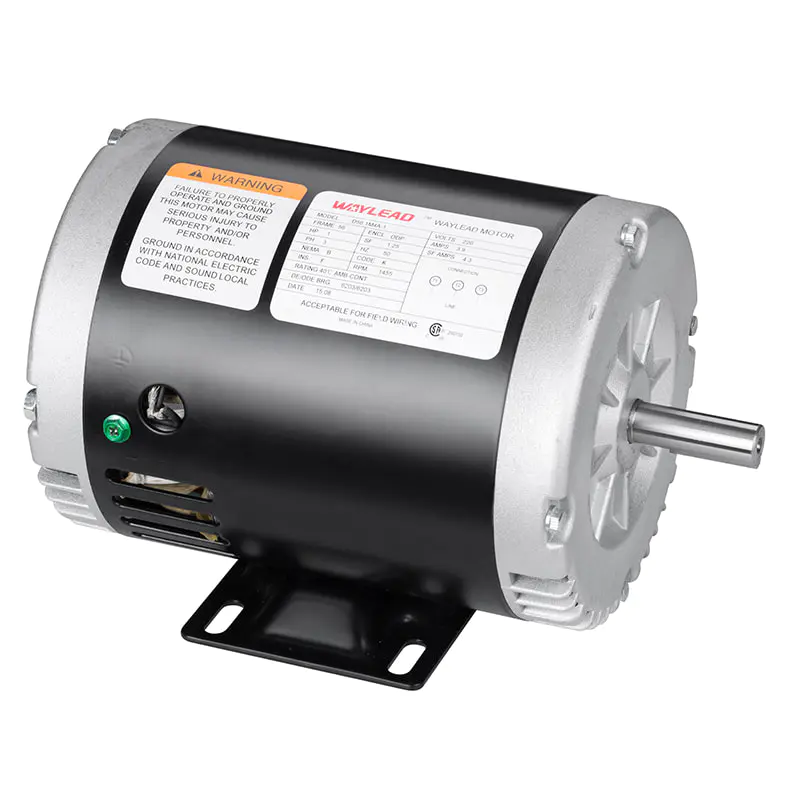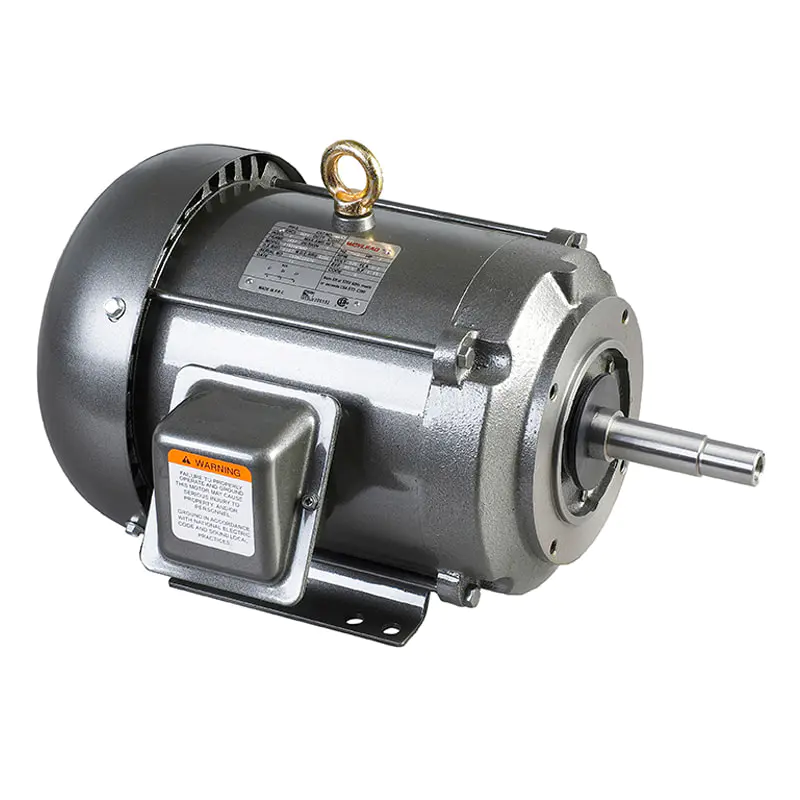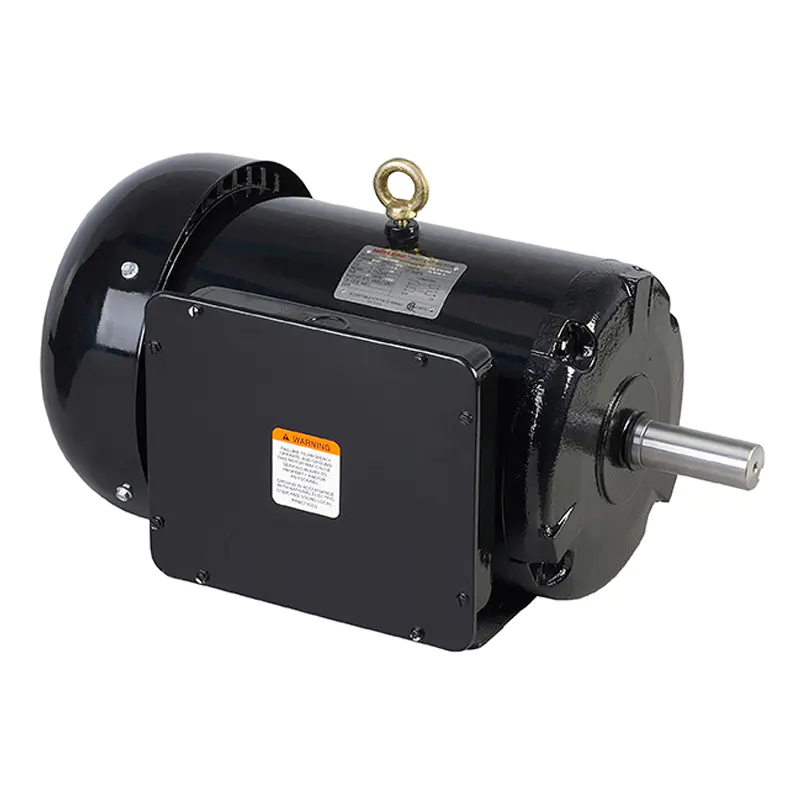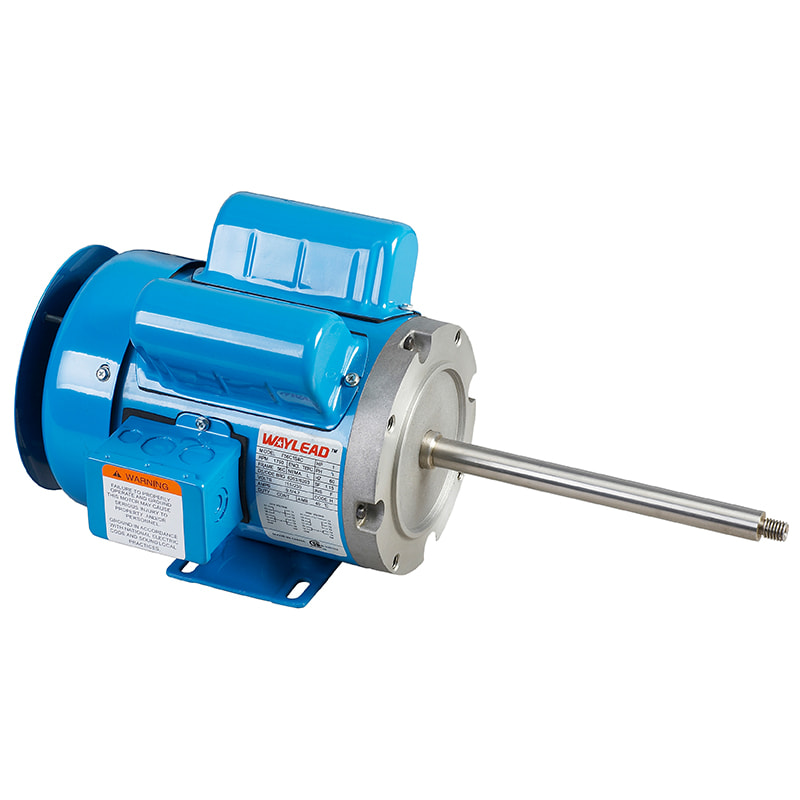
The global demand for energy-efficient industrial solutions is rapidly increasing, and selecting the right motor can have a substantial impact on operational costs and environmental footprint. IE3 electric motors are increasingly recognized for their high-performance standards and exceptional energy savings. Understanding ie3 motor efficiency is crucial for engineers, facility managers, and decision-makers aiming to optimize industrial operations.
The term IE3 motor efficiency refers to a standardized measure established by the International Electrotechnical Commission (IEC 60034-30-1) to classify electric motors based on energy performance. IE3 motors, often labeled as “premium efficiency” motors, provide higher operational efficiency compared to standard IE1 (standard efficiency) and IE2 (high efficiency) motors.
Key Characteristics:
Understanding the differences in efficiency levels can aid in selecting the right motor for specific applications. The table below highlights critical differences:
| Motor Class | Efficiency Level (%) | Power Loss Reduction | Typical Applications |
|---|---|---|---|
| IE1 | 75-82% | Baseline | General purpose, low-duty industrial machines |
| IE2 | 82-88% | Moderate | Pumps, fans, compressors |
| IE3 | 88-95% | High | Industrial automation, HVAC systems, energy-intensive manufacturing |
IE3 electric motors are widely used across industries where energy efficiency and reliability are essential:
Selection of an IE3 motor involves evaluating efficiency, load requirements, environmental conditions, and compliance standards. Critical factors include:
| Factor | IE1 Motor | IE2 Motor | IE3 Motor |
|---|---|---|---|
| Energy Consumption (kWh/year) | 12,000 | 10,500 | 9,000 |
| Annual Operating Cost ($) | 1,800 | 1,575 | 1,350 |
| Typical Lifespan (Years) | 10-12 | 12-15 | 15-20 |
| Maintenance Frequency | High | Moderate | Low |
| Carbon Emission Reduction | Baseline | Moderate | Significant |
IE3 motors have optimized winding, reduced losses in core materials, and improved mechanical design, leading to efficiency gains typically between 2% to 5% over IE2 motors.
Yes, higher efficiency translates into lower energy consumption, resulting in substantial cost savings over the motor's lifetime.
Absolutely. IE3 motors can be paired with variable frequency drives to further enhance energy efficiency and provide precise speed control.
While the upfront cost may be higher, long-term energy savings and reduced maintenance make IE3 motors a cost-effective investment for industrial operations.
Industries with continuous or high-load operations, such as manufacturing, HVAC, water treatment, and material handling, gain the most from IE3 motors.
Adopting IE3 electric motors is a strategic move for businesses aiming to reduce energy costs, enhance reliability, and meet sustainability targets. With their superior ie3 motor efficiency, these motors offer tangible benefits in industrial applications ranging from manufacturing plants to HVAC systems. Proper selection, maintenance, and integration with modern control technologies ensure that IE3 motors deliver maximum performance and longevity.
Copyright © 2018 Cixi Waylead Motor Manufacturing Co., Ltd.All Rights Reserved.
 Login
Wholesale AC Motor Manufacturers
Login
Wholesale AC Motor Manufacturers