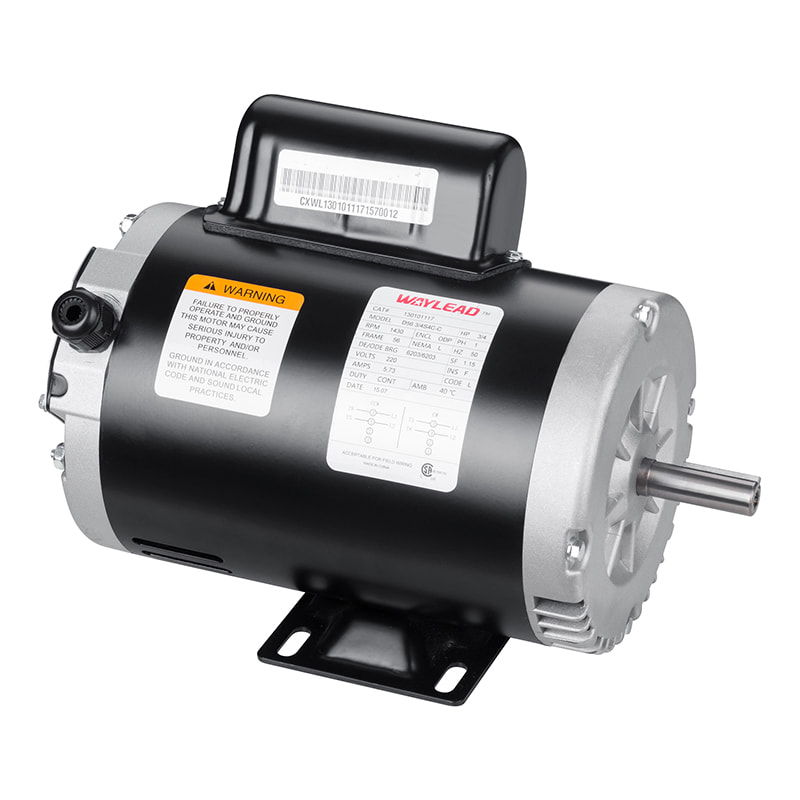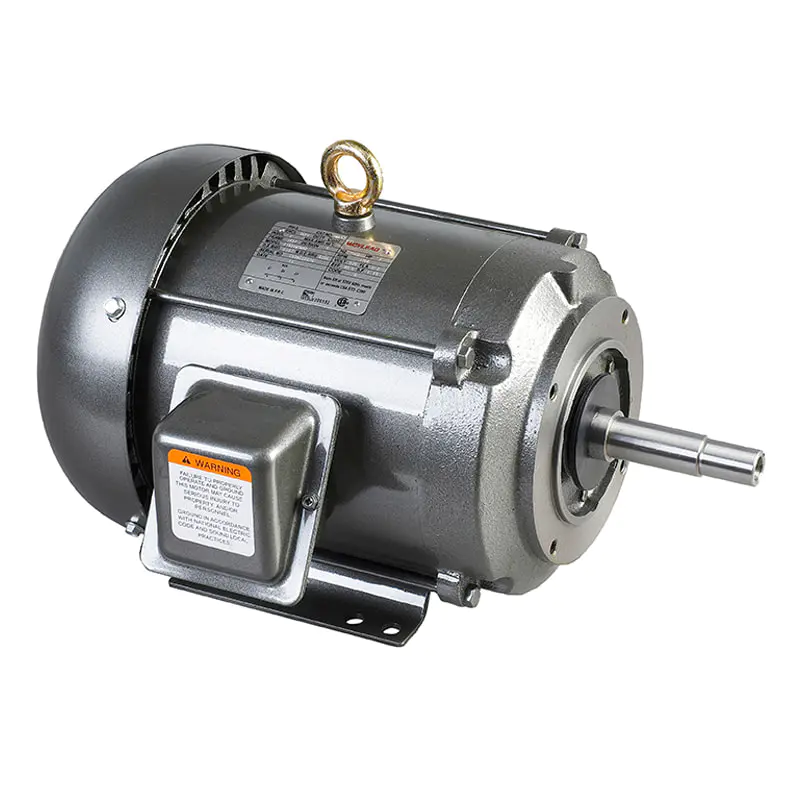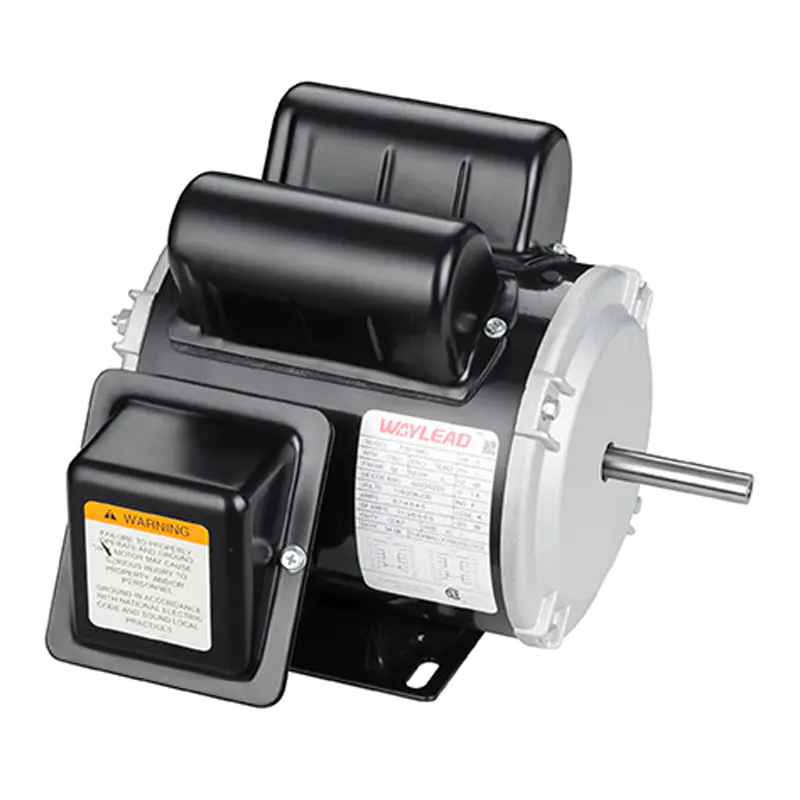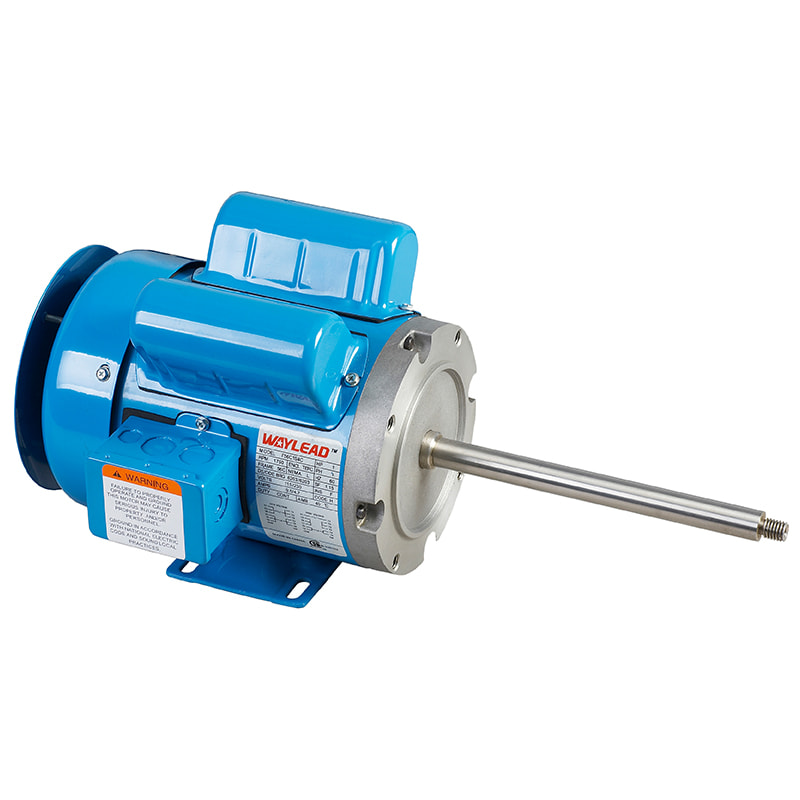
An Ex d motor is a flameproof motor built so that an internal explosion is contained and hot gases are cooled before they escape into a hazardous area. It is not a standard motor with a heavier terminal box. The certification covers the enclosure, flame paths, cable entries and temperature limits as a system. That distinction matters when a nameplate reads something like Ex d IIB T4 Gb, because each symbol changes where the motor can be installed and how it must be maintained.
What an Ex d Rating Actually Confirms
An Ex d rating confirms that the motor enclosure has passed a defined flameproof test as a complete assembly, not that the motor is immune to damage or suitable for every hazardous area.
A nameplate string usually carries more information than buyers first expect:
- Ex d: the protection concept is a flameproof enclosure.
- I or II: the equipment group, such as mining versus surface gas hazards.
- IIA, IIB or IIC: the gas subgroup. IIC is not a casual upgrade; flame path and enclosure design must be certified for it.
- T1 to T6: the maximum surface temperature class. The permitted class depends on the gas ignition temperature and the actual ambient conditions.
- Gb or Gc: the equipment protection level. A Gb motor is not automatically a drop-in replacement for a Gc application if the area classification demands more.
Ambient range also belongs in the check. A motor certified for a stated ambient band may need derating, a different winding or a new certificate when installed in a hot process area, roof plant room or unventilated enclosure.
How the Flameproof Path Works
Flameproof protection works by letting an internal pressure event happen in a controlled volume and then preventing flame from igniting the surrounding atmosphere.
The enclosure is strong enough to withstand an internal explosion. The joints, shaft opening and cable entry are not ordinary clearances; they form flame paths that cool escaping hot gas before it reaches the outside atmosphere. The motor's surface temperature must also stay within the certified T class under the specified duty.
That is why small maintenance choices matter. Paint on a flame path, a mismatched cable gland, a missing stopper, a damaged gasket or a non-certified terminal box can undermine the assembly even if the motor itself was correctly certified. The enclosure is a tested system, not a list of interchangeable parts.
Ex d vs Ex e, Ex de, Ex n and Standard Motors
Ex d is the right choice only when the area classification calls for flameproof protection; Ex e, Ex de, Ex n and standard motors solve different problems and are not interchangeable by size alone.
| Feature | Ex d | Ex e | Ex de | Ex n | Standard motor |
|---|---|---|---|---|---|
| Protection principle | Contains an internal explosion and cools escaping flame | Increased safety; avoids sparks and excessive temperature in normal operation | Combines flameproof and increased-safety sections | Non-sparking or restricted-breathing design for less demanding risk | No hazardous-area protection |
| Enclosure character | Robust frame with controlled flame paths | Reinforced construction, but not tested as a flameproof enclosure | Ex d part plus Ex e connection or terminal area | Usually lighter and lower cost than Ex d | TEFC, ODP or other general-purpose enclosure |
| Typical fit | Gas handling, solvent areas, refineries and other high-risk zones | Motors with no normal sparks and controlled connections | Hybrid assemblies where the connection chamber needs added safety | Zone 2 or applications where normal operation is non-sparking | Dry, general industrial or non-classified areas |
| Evidence to check | Certificate, gas group, temperature class, EPL and ambient range | Ex e certificate and terminal arrangement | One certificate tying both protection methods together | Ex n certificate and restricted operating conditions | Ordinary motor data only |
The practical risk is buying by habit. A buyer who needs Ex d may try to save cost with Ex e, or may accept an Ex d motor without checking the gas group and temperature class. Neither shortcut is safe. If the difference between hazardous-area and ordinary motor construction is still unclear, review the explosion-proof and ordinary motor differences before issuing a purchase order.
Selection Checklist Before You Quote
Start with the hazardous-area classification, not with the motor catalogue.
- Confirm the zone and required EPL. The same Ex d motor may be acceptable in one zone and unsuitable in another.
- Match the gas or dust group. IIB equipment should not be substituted for IIC service unless the certificate explicitly allows it.
- Calculate the temperature class under real load. High ambient, frequent starting, blocked cooling and overload all affect surface temperature.
- Check the duty cycle. Continuous duty, intermittent duty and high start frequency may call for different thermal margins.
- Verify inverter operation. A variable-frequency drive can change losses and temperature rise; the motor-drive combination must be covered.
- Review the mechanical interface. Shaft, flange, mounting, rotation, terminal box position and cable entry direction should be fixed before quotation.
- Confirm certification scope for the destination market. A certificate accepted in one region is not proof of acceptance everywhere.
- Include certified accessories. Glands, stoppers, breathers and terminal components must suit the enclosure and the installation.
A low price often hides a narrow certificate scope, a non-standard flange, a long lead time for certified glands or a motor that cannot run on the selected drive without extra thermal protection.
Installation and Maintenance Details That Decide Performance
The best-certified Ex d motor can fail an inspection if the flame path, glands, earthing or surface temperature are treated casually.
- Use only the cable entry devices and stoppers permitted by the certification.
- Keep flame paths clean and free from paint, grease, corrosion and impact damage.
- Tighten enclosure bolts to the specified pattern and torque; do not substitute ordinary fasteners.
- Check earthing and bonding before start-up, then at every planned inspection.
- Inspect bearings, insulation resistance, vibration and surface temperature under normal load.
- Do not modify the terminal box, shaft, drain plug or mounting arrangement in the field without engineering approval.
Maintenance intervals should follow the site risk assessment and local rules. In dusty, wet or corrosive locations, shorter visual checks are often justified because enclosure condition changes faster than the motor's electrical data.
Procurement Risks and Custom Motor Boundaries
The most common procurement error is to ask for an “Ex d motor” without defining certificate scope, ambient, duty and mechanical interface.
Ex d approval applies to a tested configuration. Shaft, flange, terminal box, cable entry and winding changes may invalidate it. If a project needs a custom mechanical interface, review special motor builds for non-hazardous variants; they are not an Ex d shortcut. The certificate must cover the final arrangement, not just the base motor family.
For clean or dusty indoor applications outside the hazardous zone, a TENV motor can be a better fit than an open drip-proof frame, but TENV is not an Ex protection concept.
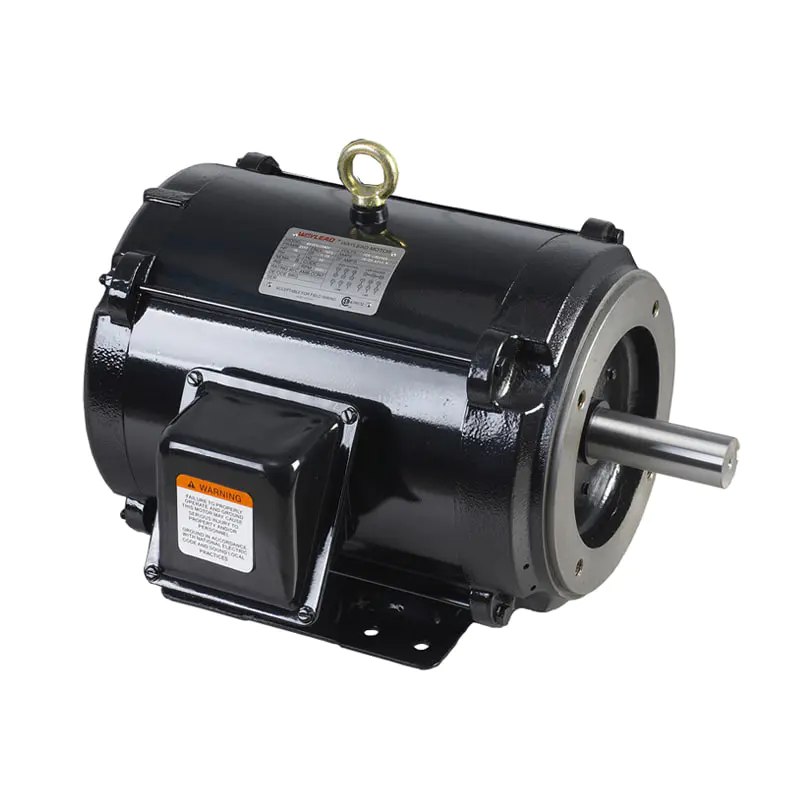 TENV Motor Series for Indoor Nonhazardous ApplicationsThis totally enclosed non-ventilated series spans 1/3–10 HP and NEMA 56–215T frames for clean or dusty indoor nonhazardous applications, but it is not an Ex concept.View Product →
Clear drawings, nameplate photos, certificate numbers and approved accessory lists prevent most shipment disputes. They also make later replacement much safer, because the maintenance team can match the installed protection concept rather than ordering by frame size alone.
FAQ
Is Ex d the same as explosion-proof?
It is often called explosion-proof, but Ex d is a specific flameproof protection concept with defined enclosure, flame path and temperature requirements.
Can an Ex d motor be installed outdoors?
Yes, if the certification and IP rating suit the location; rain, corrosion and UV exposure are separate installation issues that still need to be addressed.
Does a VFD change the Ex d rating?
Often it can, because drive operation changes harmonic losses and temperature rise; verify the motor-drive combination and any required protective devices.
Can I replace an Ex d motor with Ex e?
Only if the area classification and certificate allow it; Ex d and Ex e are different protection concepts and should not be swapped by frame size or power rating.
What does Ex de mean?
Ex de combines a flameproof Ex d section with an increased-safety Ex e section, usually in the connection or terminal area, under one certified assembly.
What should be checked during routine inspection?
Check flame paths, enclosure bolts, glands, stoppers, gaskets, earthing, bearing condition, insulation resistance and surface temperature against the site's risk-based schedule.
Bottom Line
Buy Ex d as a certified system, not as a label on a motor. Match the gas group, temperature class, EPL, ambient range, duty and mechanical interface first, then confirm that the enclosure, cable entries and accessories are all within the same approval. That approach costs less than correcting a non-compliant installation later.