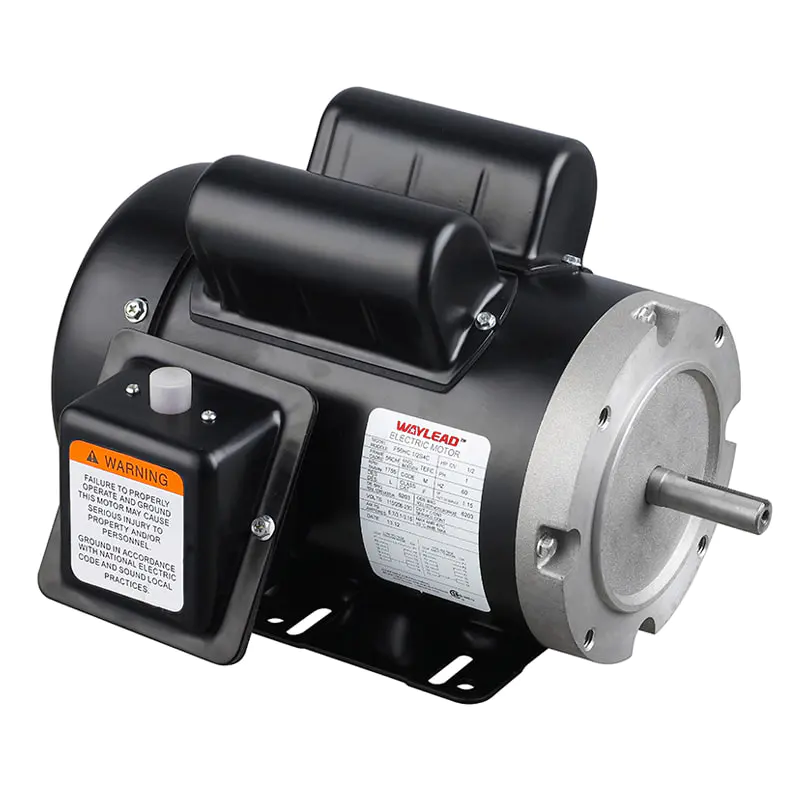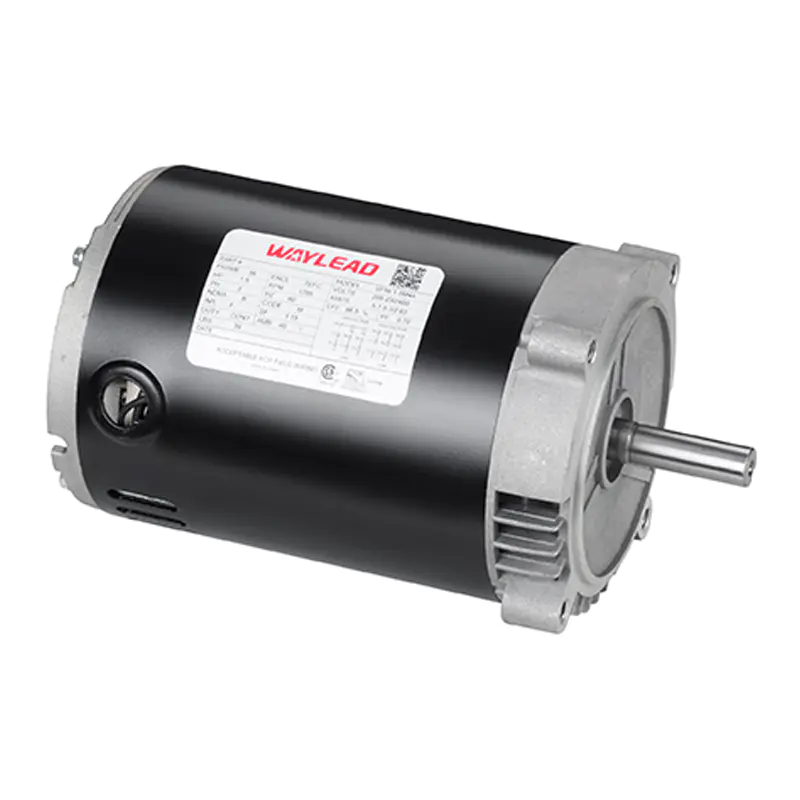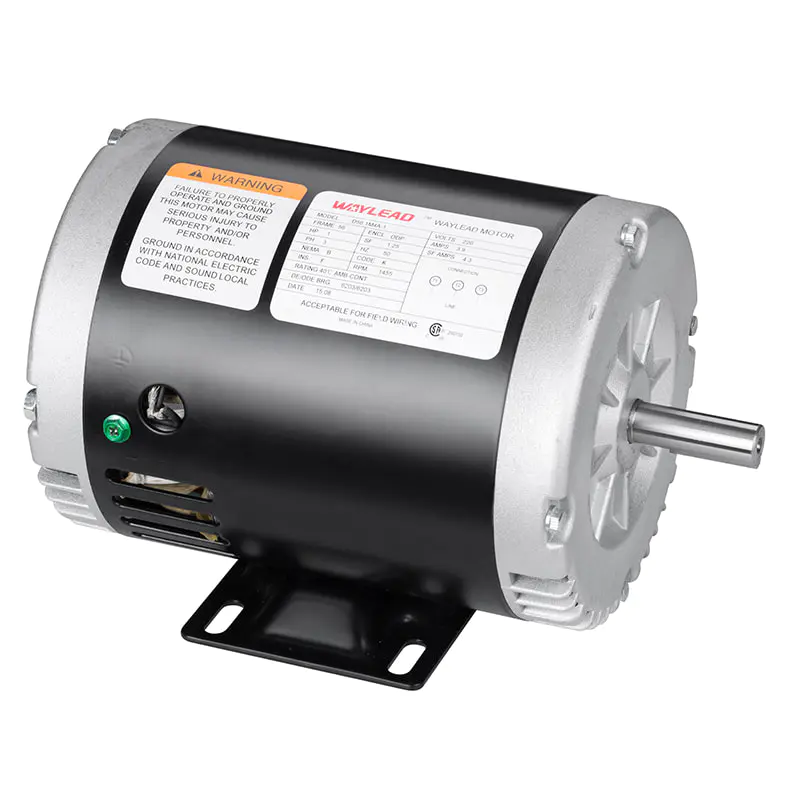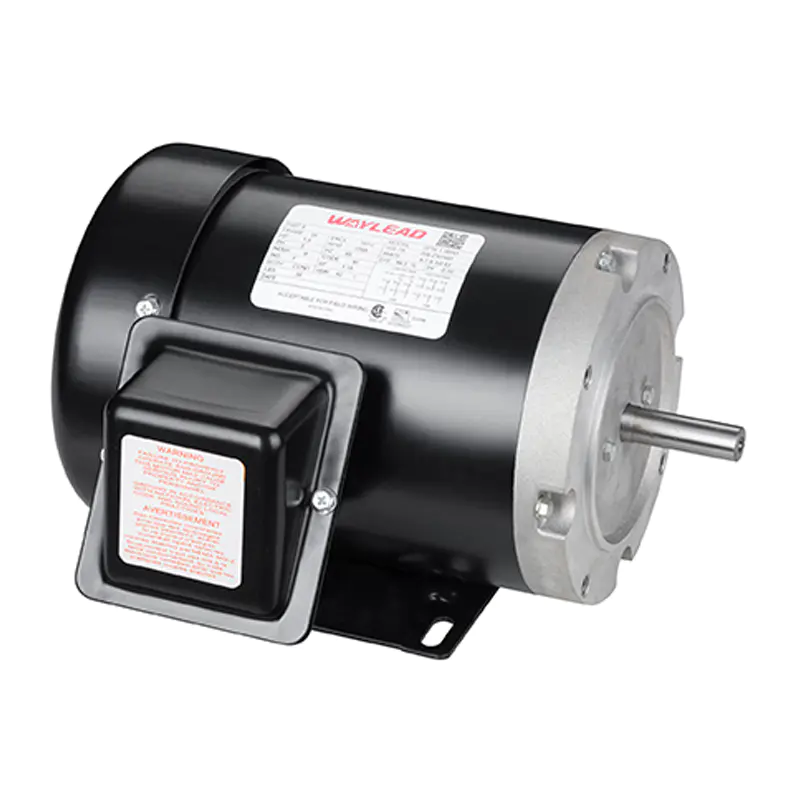
As industries worldwide push for higher energy efficiency and lower operating costs, the IE3 Motor has become a widely adopted standard in manufacturing, automation, and heavy-duty equipment. IE3 efficiency represents a key benchmark under international motor efficiency classifications, delivering improved performance, reduced electricity consumption, and long-term cost savings.
An IE3 Motor refers to an electric motor that meets the Premium Efficiency standard defined by the International Electrotechnical Commission (IEC). Compared to older IE1 and IE2 motors, IE3 motors significantly reduce energy losses during operation, making them ideal for industries that rely on continuous or heavy mechanical loads.
IE3 motors are commonly used in:
Energy consumption is one of the largest operating expenses in industrial facilities. Since electric motors account for a major portion of total electricity usage, upgrading to IE3 Motor technology directly impacts profitability and sustainability.
While IE2 motors are still used in some applications, IE3 Motor efficiency offers a clear upgrade in both technical performance and economic value.
| Feature | IE2 Motor | IE3 Motor |
|---|---|---|
| Efficiency Level | High Efficiency | Premium Efficiency |
| Energy Loss | Moderate | Low |
| Operating Cost | Higher | Lower |
| Service Life | Standard | Extended |
Industries with continuous operation cycles gain the greatest return on investment from IE3 Motor adoption.
Although IE3 motors have a higher upfront purchase price than older models, their long-term economic value is substantial. The reduced power consumption can deliver:
By improving electrical efficiency, the IE3 Motor helps reduce overall carbon emissions associated with electricity generation. This supports corporate sustainability goals and aligns with global carbon reduction initiatives.
Many regions now require IE3 motors for new installations, especially in industrial environments. Regulations vary by country and industry.
Yes, most IE3 motors are designed to be mechanically interchangeable with older efficiency classes, making upgrades straightforward.
Yes, IE3 Motors are fully compatible with VFD systems and often achieve even greater energy savings when combined with speed control.
IE3 motors are ideal for continuous-duty industrial applications due to their superior thermal stability and lower heat generation.
With increasing emphasis on energy efficiency and rising electricity costs, the global demand for IE3 Motor solutions continues to grow. Manufacturers are expanding IE3 product lines to cover wider voltage ranges, power ratings, and application-specific designs.
The IE3 Motor has become a cornerstone of modern industrial efficiency strategies. By delivering premium energy performance, lower operating costs, and long-term reliability, IE3 motors play a critical role in supporting sustainable and competitive industrial operations worldwide.
Copyright © 2018 Cixi Waylead Motor Manufacturing Co., Ltd.All Rights Reserved.
 Login
Wholesale AC Motor Manufacturers
Login
Wholesale AC Motor Manufacturers