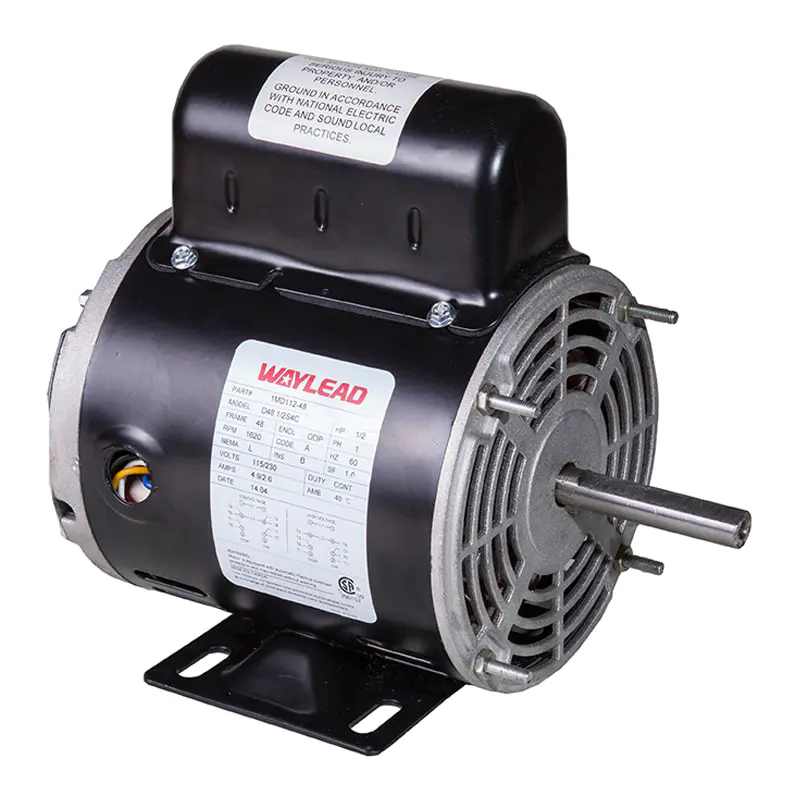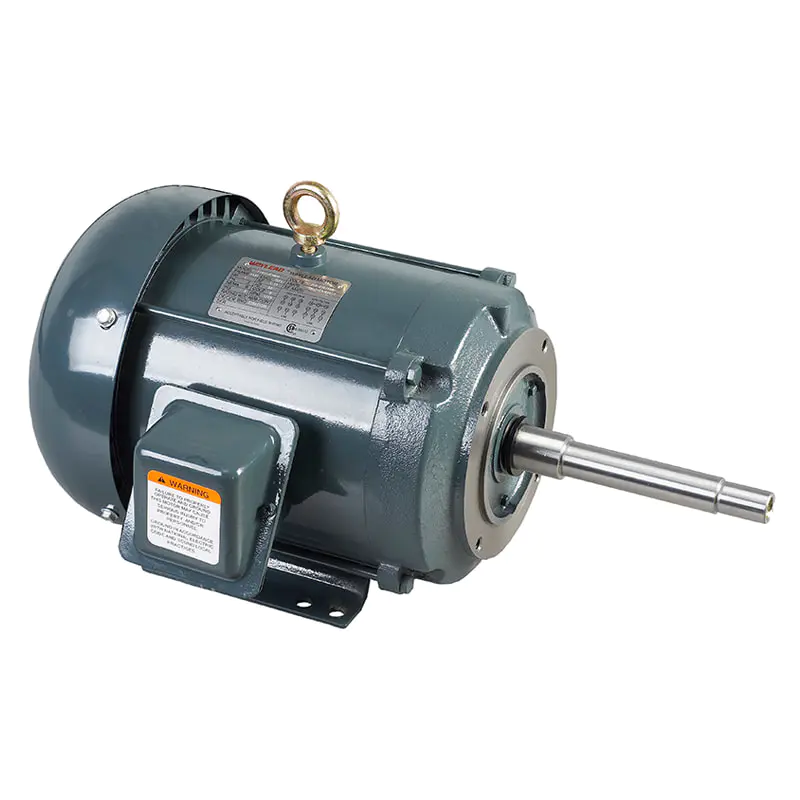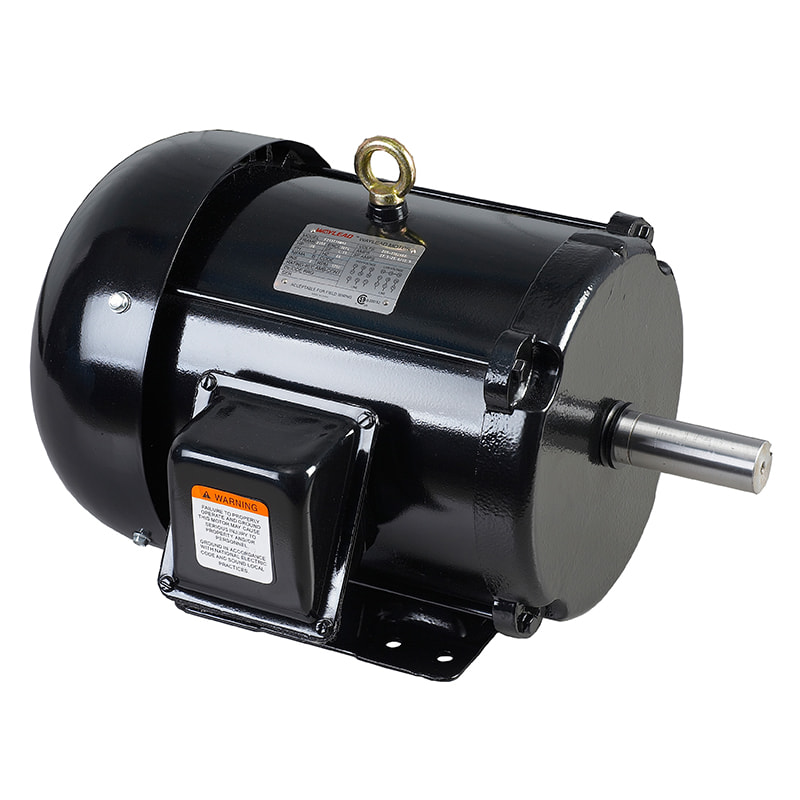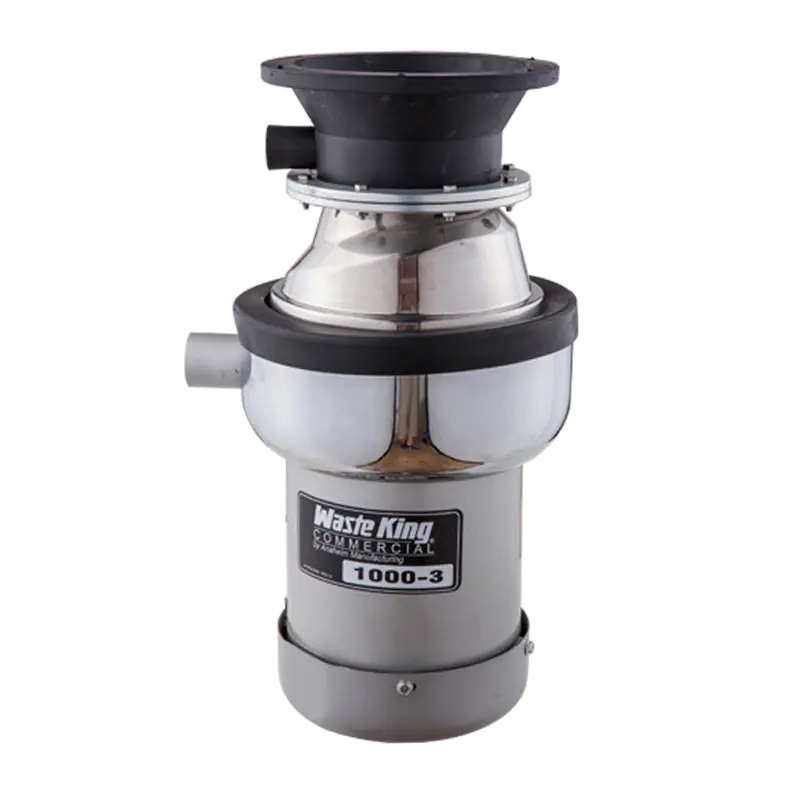
In recent years, industries worldwide have increasingly adopted the Three Phase Motor as their primary power solution. From manufacturing lines to HVAC systems, three-phase motors provide clear advantages in power delivery, efficiency, and durability.
A Three Phase Motor is engineered to deliver higher continuous power, making it suitable for heavy-duty applications like pumps, compressors, conveyors, and CNC machinery. Unlike single-phase motors, three-phase motors provide constant torque that supports demanding loads without excessive stress.
Three-phase systems distribute electrical load across three separate phases, resulting in smoother current flow and improved energy efficiency. This reduces heat generation and energy losses, which lowers operational costs over long-run applications.
Because a Three Phase Motor produces more uniform torque, it runs with less vibration and noise compared to single-phase motors. Reduced mechanical vibration translates to lower maintenance needs and longer equipment lifespan.
Three-phase motors typically produce stronger starting torque without external starting devices such as capacitors. This makes them ideal where motors must start under load—examples include heavy fans, industrial mixers, and material handling equipment.
Although the initial purchase price and installation for a Three Phase Motor may be higher, organizations typically recover that cost through improved efficiency, lower energy bills, and reduced maintenance. For continuous or heavy-load operations, the total cost of ownership often favors three-phase systems.
For most commercial and industrial uses, a Three Phase Motor provides better performance, reliability, and long-term cost savings compared with single-phase motors. Whether you're upgrading equipment in a factory or choosing motors for new installations, prioritize total cost of ownership and operational requirements to determine the best fit.
Copyright © 2018 Cixi Waylead Motor Manufacturing Co., Ltd.All Rights Reserved.
 Login
Wholesale AC Motor Manufacturers
Login
Wholesale AC Motor Manufacturers