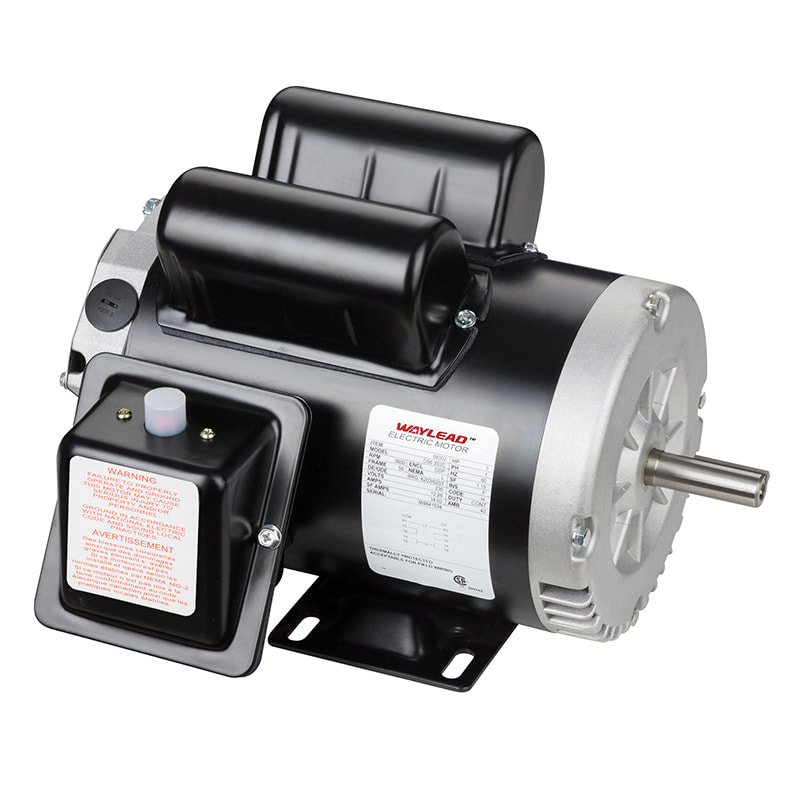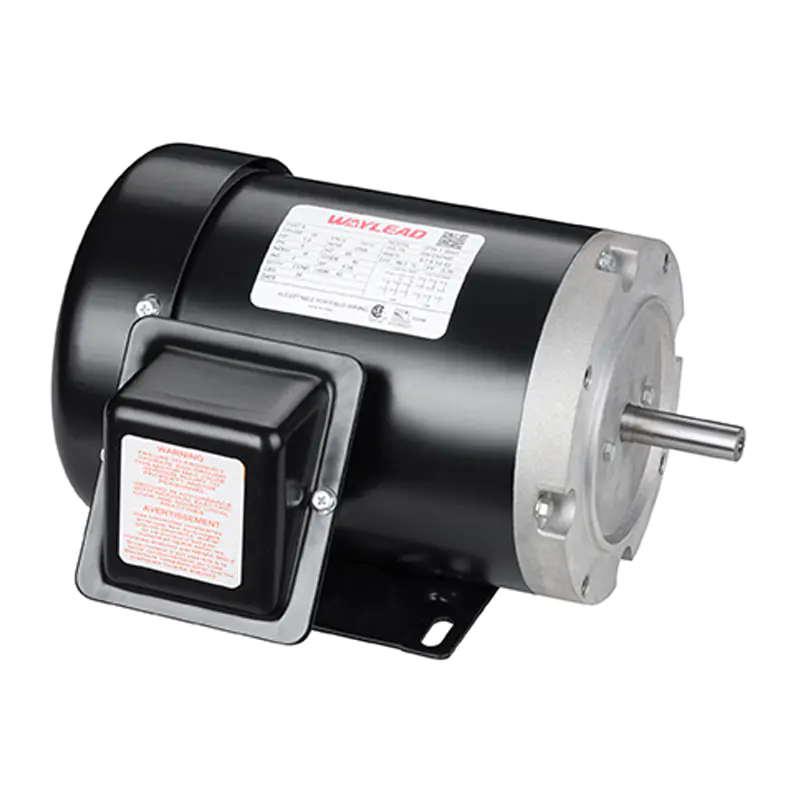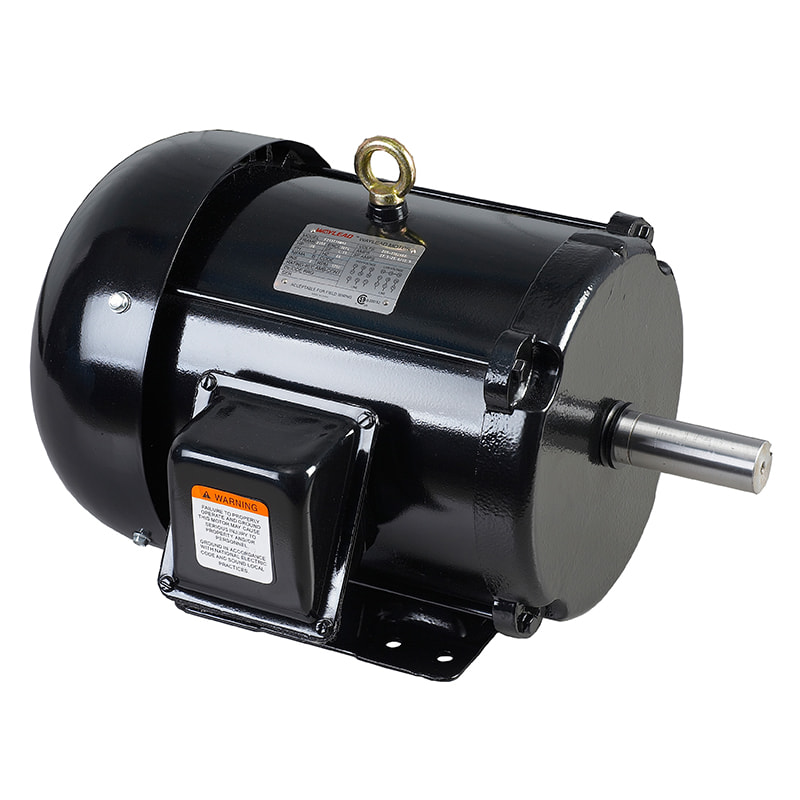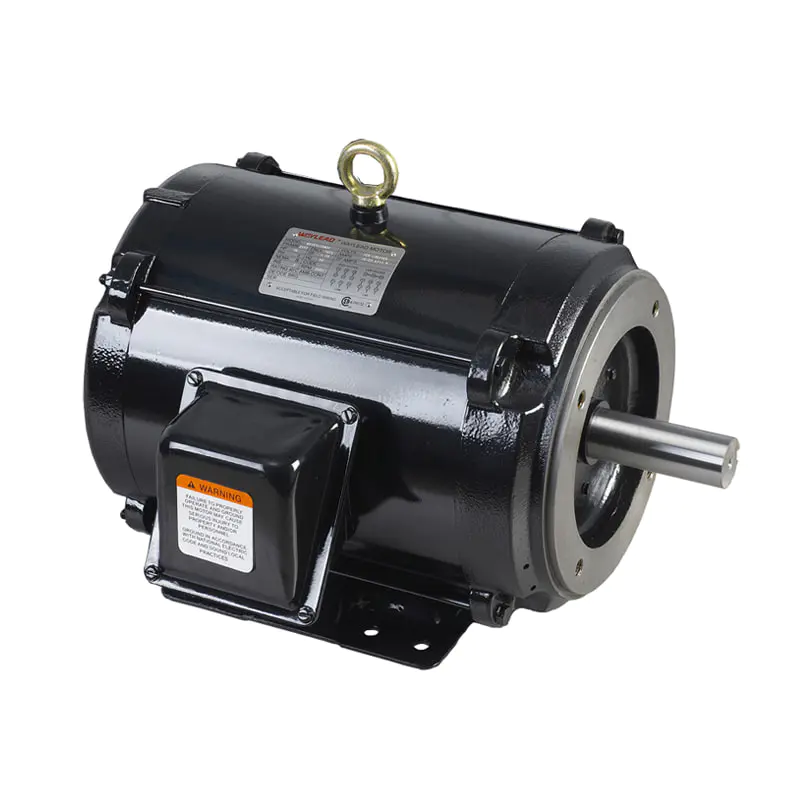
IE3 motors are part of the energy efficiency standards set by the International Electrotechnical Commission (IEC) and are recognized for their ability to deliver higher energy efficiency compared to lower-rated motors. IE3 stands for “Premium Efficiency,” a class that offers improved performance while significantly reducing energy consumption. These motors are designed for industrial applications where high performance and energy savings are essential.
The global push toward energy conservation and sustainability has made IE3 efficiency motors a critical component in modern industry. By providing better efficiency than older models, IE3 motors help businesses cut operational costs, reduce carbon footprints, and comply with regulations on energy usage.
IE3 motors offer substantial energy savings over their predecessors, such as IE1 and IE2 models. Their higher efficiency ratings mean less electricity is consumed for the same output, which translates to lower energy bills for businesses. In some cases, the savings can amount to thousands of dollars annually, making the initial investment in an IE3 motor worthwhile.
| Motor Class | Efficiency Level | Energy Savings |
|---|---|---|
| IE1 | Standard Efficiency | Low energy savings |
| IE2 | High Efficiency | Moderate energy savings |
| IE3 | Premium Efficiency | Significant energy savings |
IE3 motors are commonly used in a wide variety of industrial settings where energy efficiency and reliability are paramount. These include:
The versatility of IE3 motors makes them suitable for many types of machinery, including pumps, fans, compressors, and conveyors. Their widespread adoption ensures that industries are not only reducing operational costs but also contributing to global sustainability efforts.
When switching to IE3 motors, businesses may face an initial higher cost compared to IE1 or IE2 models. However, this upfront cost is quickly recouped through energy savings. For example, in industrial facilities with high energy consumption, the switch can lead to an ROI within a few years due to lower electricity bills.
The following factors should be considered when calculating the cost-benefit of upgrading to IE3 motors:
IE3 motors are designed with advanced materials and technology that allow them to operate at higher efficiencies. They have lower losses, meaning more of the energy input is converted into mechanical power, leading to significant energy savings.
Yes, IE3 motors generally have a higher initial cost due to the advanced technology and materials used. However, this is offset by the long-term energy savings and lower operational costs, making them a cost-effective choice in the long run.
Look for the IE3 efficiency label or certification on the motor's nameplate. Additionally, suppliers and manufacturers typically provide documentation that confirms the motor's efficiency class.
IE3 motors are suitable for a wide range of industries, especially where heavy machinery and high energy consumption are involved. They are a great choice for manufacturing, HVAC, and water treatment sectors.
As industries face increasing pressure to reduce energy consumption and meet environmental standards, IE3 motors offer a reliable, cost-effective solution. Their energy-saving capabilities not only help reduce operational costs but also align with global sustainability efforts. With their ability to deliver superior efficiency, it’s clear why IE3 motors are becoming the standard in energy-efficient industrial applications.
Copyright © 2018 Cixi Waylead Motor Manufacturing Co., Ltd.All Rights Reserved.
 Login
Wholesale AC Motor Manufacturers
Login
Wholesale AC Motor Manufacturers