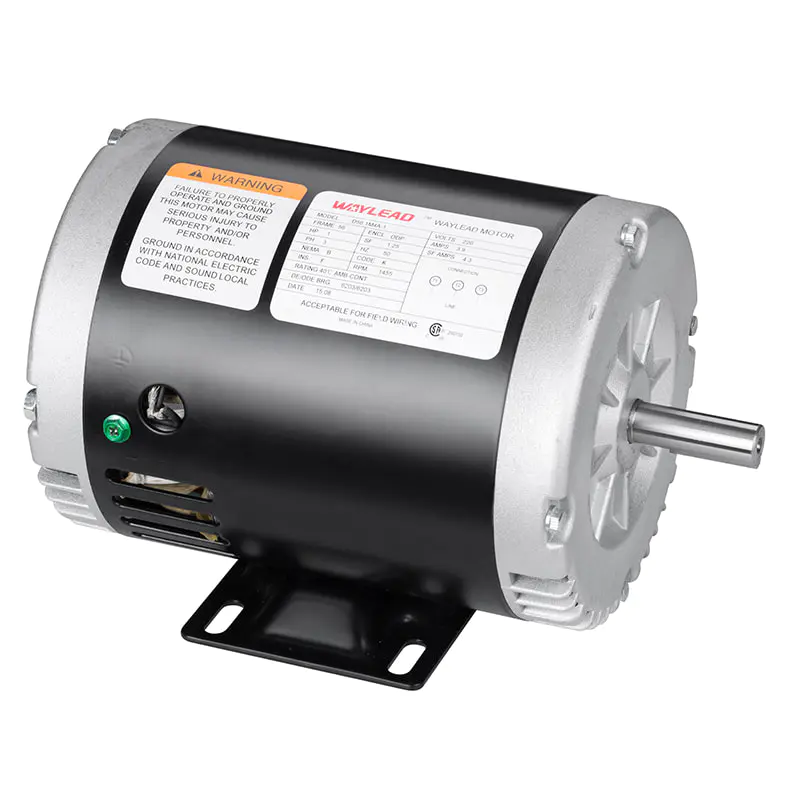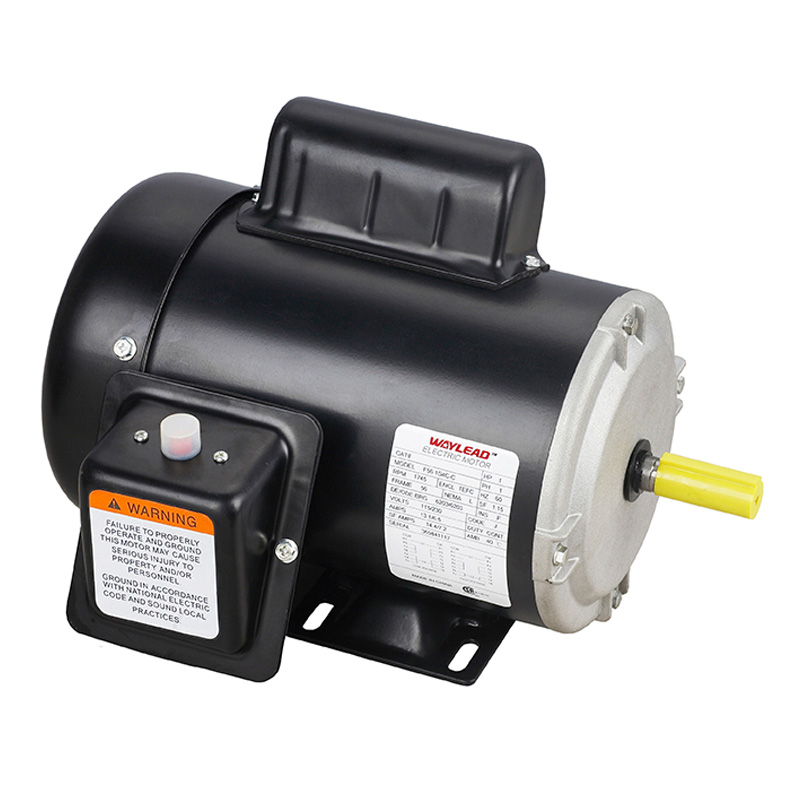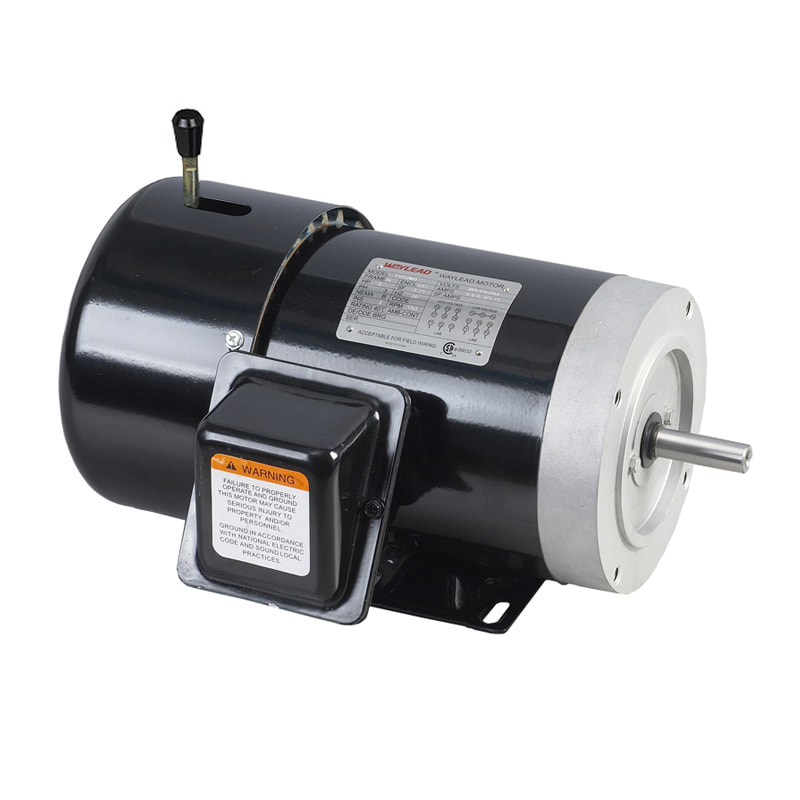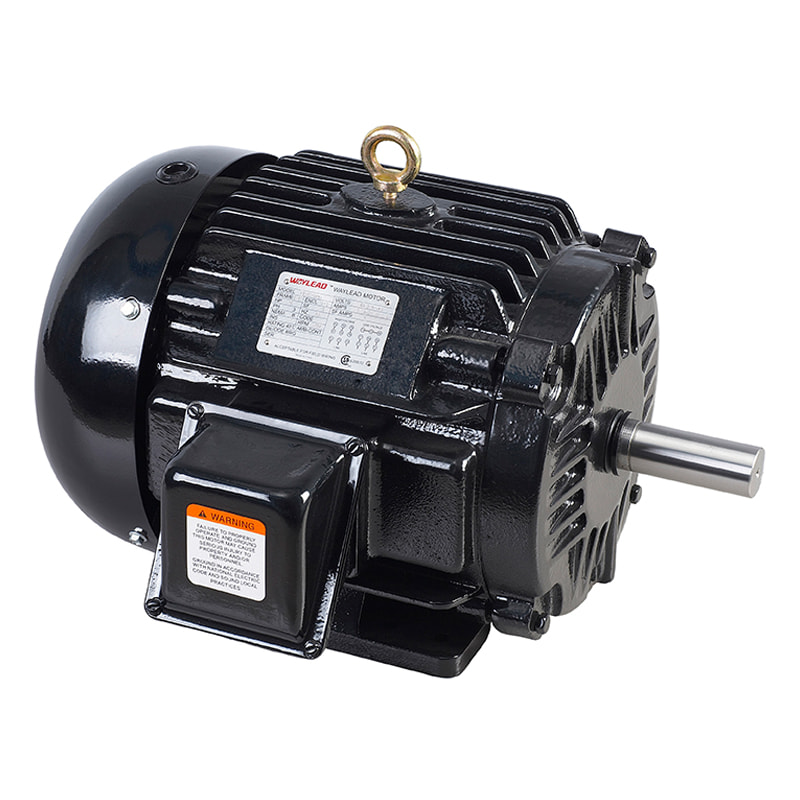
Energy efficiency has become a defining factor in the selection of industrial electric motors. With rising electricity costs, stricter environmental regulations, and global decarbonization goals, manufacturers and end users are paying closer attention to motor efficiency classifications. Among these, the IE3 Motor has long been a mainstream choice, while newer IE4 and IE5 motors represent the next stages of technological advancement.
To make informed decisions, it is essential to understand how an IE3 Motor compares with IE4 and IE5 motors in terms of efficiency, cost, application scope, and long-term value.
An IE3 Motor is classified as a “Premium Efficiency” motor under the IEC 60034-30-1 standard. It offers significantly higher efficiency than older IE1 (Standard Efficiency) and IE2 (High Efficiency) motors, making it a widely adopted solution in industrial and commercial applications.
Because of these advantages, the IE3 Motor has become the default option in many industries, including manufacturing, HVAC, water treatment, and material handling.
As efficiency standards continue to evolve, IE4 and IE5 motors have been introduced to further reduce energy losses and operating costs.
IE4 motors, known as Super Premium Efficiency motors, deliver higher efficiency than IE3 by minimizing electrical, magnetic, and mechanical losses. They often use advanced materials such as improved silicon steel laminations and optimized rotor designs.
IE5 motors represent the highest efficiency level currently defined. These motors typically rely on innovative technologies such as permanent magnet rotors or synchronous reluctance designs to achieve extremely low losses.
Efficiency is the most prominent difference among IE3, IE4, and IE5 motors. Even small percentage improvements can result in substantial energy savings over a motor’s lifetime.
Although the efficiency gains may appear modest, motors often run thousands of hours per year. Over time, the cumulative energy savings can outweigh the higher initial investment of IE4 or IE5 motors.
Electric motors account for a significant portion of industrial electricity consumption. Choosing the right efficiency class has a direct impact on operating expenses.
An IE3 Motor offers a strong balance between energy savings and purchase price. For applications with moderate operating hours or variable loads, IE3 motors often deliver an attractive return on investment.
IE4 and IE5 motors excel in applications with:
In such scenarios, reduced power losses translate directly into lower energy bills and reduced heat generation.
When comparing motors, focusing solely on purchase price can be misleading. A lifecycle cost perspective provides a more accurate picture.
Energy costs typically account for over 90% of a motor’s total lifecycle cost. While IE3 motors are economical to purchase, IE4 and IE5 motors can offer lower total costs over long service lives, especially in energy-intensive operations.
The jump from IE3 to IE4 and IE5 involves more than just incremental efficiency improvements. It reflects fundamental changes in motor design.
Most IE3 motors are high-efficiency induction motors using optimized copper windings, improved lamination steel, and refined cooling systems.
IE4 motors may incorporate:
IE5 motors often rely on:
These innovations enable ultra-high efficiency but may require more sophisticated drive systems.
Modern industrial systems increasingly use VFDs to control motor speed and reduce energy consumption.
An IE3 Motor is generally compatible with standard VFDs and performs reliably in variable-speed applications.
IE4 and IE5 motors often achieve optimal performance when paired with dedicated or advanced VFDs. This can enhance system efficiency but may increase system complexity and cost.
Global regulations are steadily pushing minimum efficiency requirements upward. In many regions, IE3 is already the minimum standard for new installations.
Understanding these trends helps businesses future-proof their equipment investments.
Different efficiency classes are better suited to different applications.
Higher efficiency motors contribute directly to lower greenhouse gas emissions by reducing electricity demand.
While an IE3 Motor already provides meaningful energy savings compared to older designs, IE4 and IE5 motors further enhance sustainability performance, supporting corporate environmental responsibility initiatives.
Reliability is a critical factor in motor selection.
IE3 motors benefit from decades of proven induction motor technology, offering robust performance and straightforward maintenance.
Advanced designs may reduce losses and heat, potentially extending service life. However, specialized components and controls may require trained personnel for maintenance.
The decision between an IE3 Motor and higher efficiency alternatives depends on multiple factors:
In many cases, IE3 motors remain a practical and cost-effective solution, while IE4 and IE5 motors serve as strategic investments for energy-intensive applications.
Yes. An IE3 Motor offers premium efficiency, proven reliability, and compliance with many current regulations, making it suitable for a wide range of applications.
Energy savings typically range from 1–2%, which can translate into significant cost reductions over long operating periods.
Not necessarily. While IE5 motors are more efficient, their higher cost and system requirements may not be justified in applications with limited operating hours.
Many IE4 and IE5 motors achieve optimal performance with advanced or dedicated VFDs, which should be considered during system design.
IE3 motors remain widely used, but efficiency regulations continue to evolve. Monitoring regional standards is essential when planning long-term investments.
The comparison between an IE3 Motor, IE4 motor, and IE5 motor highlights the trade-offs between cost, efficiency, and technological complexity. IE3 motors continue to serve as a reliable and economical solution for many industries, while IE4 and IE5 motors represent the future of ultra-efficient motor systems. Selecting the right option requires a balanced evaluation of performance needs, budget considerations, and long-term energy strategies.
Copyright © 2018 Cixi Waylead Motor Manufacturing Co., Ltd.All Rights Reserved.
 Login
Wholesale AC Motor Manufacturers
Login
Wholesale AC Motor Manufacturers