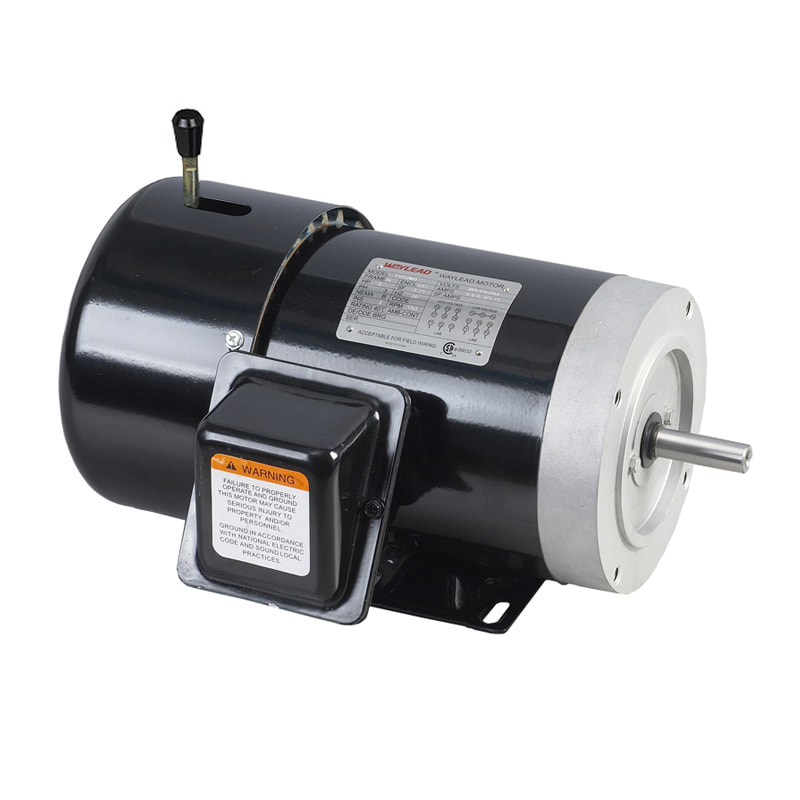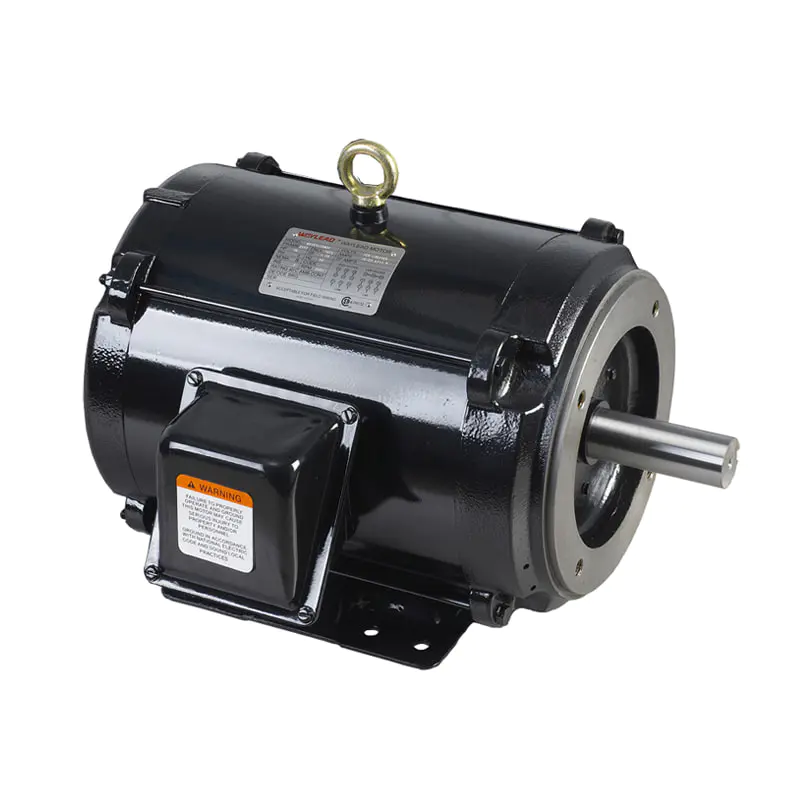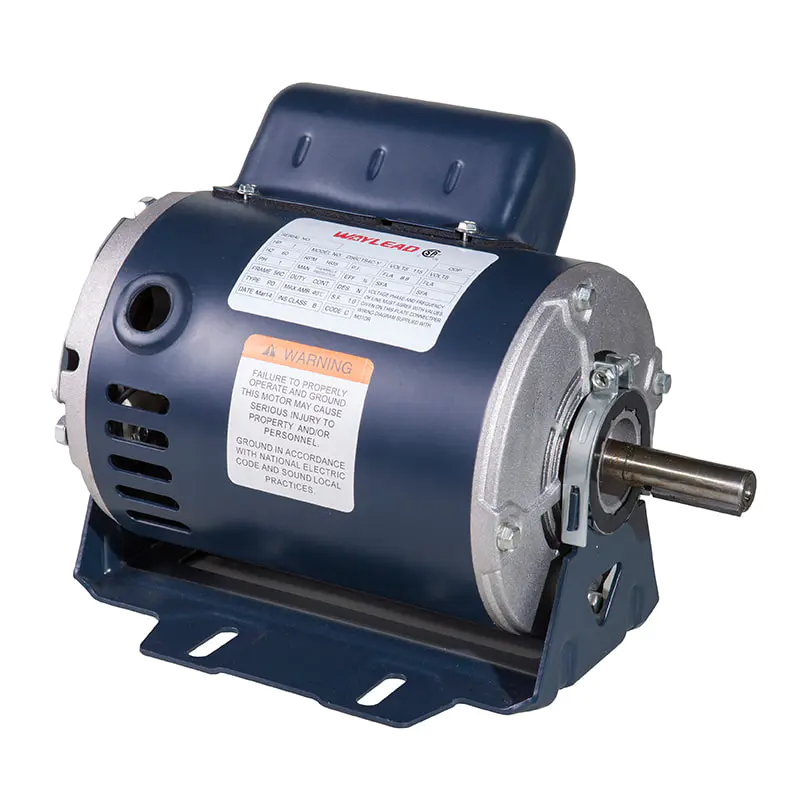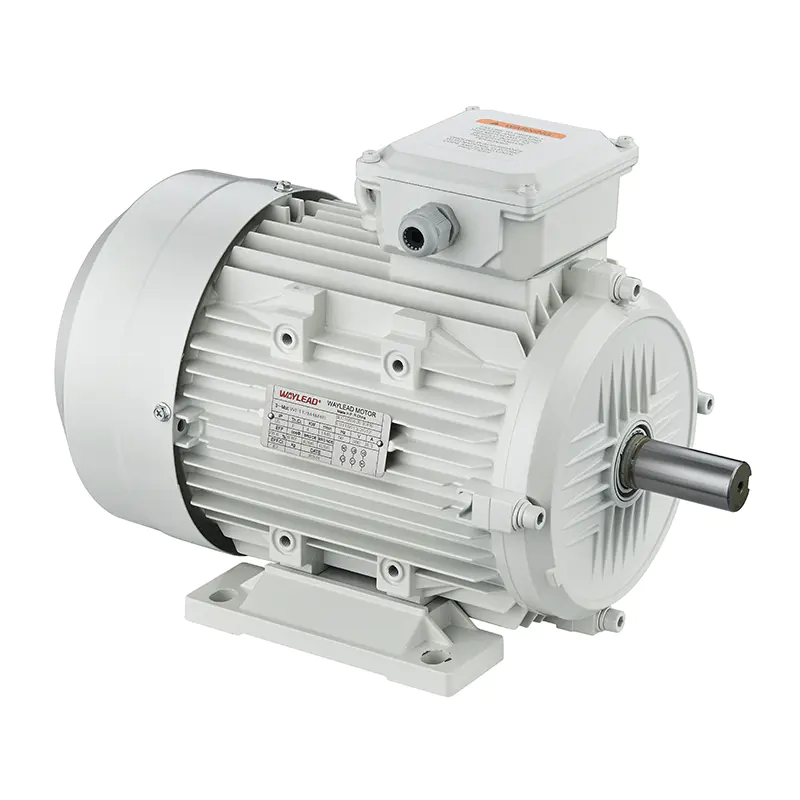
Across manufacturing, infrastructure, energy, and commercial facilities, IE3 Motors are rapidly transitioning from an optional upgrade to an industry standard. Driven by rising energy costs, stricter efficiency regulations, and growing sustainability goals, industries worldwide are re-evaluating how electric motors impact operational performance and long-term expenses.
Electric motors account for a significant share of global electricity consumption, especially in sectors such as HVAC, water treatment, oil & gas, mining, and industrial automation. Against this backdrop, IE3 Motors—also known as Premium Efficiency Motors—are gaining traction as a practical solution that balances efficiency, reliability, and lifecycle cost control.
The IE (International Efficiency) classification system was established by the International Electrotechnical Commission (IEC) to standardize motor energy efficiency levels. These classes help users compare motor performance globally and select suitable options based on efficiency requirements.
| Efficiency Class | Description | Typical Applications |
|---|---|---|
| IE1 | Standard Efficiency | Legacy systems, limited new installations |
| IE2 | High Efficiency | General industrial use (phasing out in many regions) |
| IE3 | Premium Efficiency | Industrial, commercial, regulated markets |
| IE4 | Super Premium Efficiency | Advanced energy-saving applications |
Among these levels, IE3 Motors represent a critical turning point where energy efficiency improvements become substantial enough to deliver measurable economic and environmental benefits.
Governments and regulatory bodies worldwide have introduced minimum energy performance standards (MEPS) that directly impact motor selection. In many regions, IE3 Motors are now the minimum acceptable efficiency level for newly installed three-phase motors.
As regulations continue to tighten, IE3 compliance ensures future-proof installations and avoids costly retrofits.
Although IE3 Motors typically have a higher upfront cost compared to IE1 or IE2 models, the operational savings quickly offset the initial investment.
| Motor Type | Efficiency Range | Estimated Energy Loss | Operating Cost (Long Term) |
|---|---|---|---|
| IE1 | Low | High | High |
| IE2 | Medium | Moderate | Moderate |
| IE3 | High | Low | Low |
For motors running continuously or under heavy load, even a small efficiency improvement can translate into thousands of kilowatt-hours saved annually.
Higher efficiency means less energy is wasted as heat. IE3 Motors operate at lower temperatures, which offers multiple advantages:
This directly contributes to improved reliability and reduced maintenance costs, particularly in continuous-duty environments.
Modern industrial facilities increasingly rely on variable frequency drives (VFDs), smart sensors, and digital monitoring systems. IE3 Motors are designed to integrate seamlessly with these technologies.
Their optimized electromagnetic design allows stable operation across varying speeds and loads, making them suitable for:
While IE2 motors remain in use in certain markets, the gap between IE2 and IE3 Motors becomes more pronounced over time.
| Aspect | IE2 Motors | IE3 Motors |
|---|---|---|
| Energy Efficiency | High | Premium |
| Initial Cost | Lower | Higher |
| Operating Cost | Moderate | Lower |
| Heat Loss | Moderate | Low |
| Regulatory Compliance | Limited | Wider Acceptance |
From a lifecycle cost perspective, IE3 Motors consistently outperform IE2 alternatives, particularly in high-duty applications.
Factories operating conveyor systems, compressors, pumps, and fans benefit greatly from the energy efficiency of IE3 Motors, especially under continuous operation.
Commercial buildings and data centers demand reliable motors with low operating costs. IE3 efficiency helps facility managers achieve energy-saving targets without sacrificing performance.
Pumping systems often run 24/7. The reduced energy loss of IE3 Motors significantly lowers electricity bills while improving system reliability.
Harsh environments require motors that deliver stable performance and durability. Lower thermal stress makes IE3 motors suitable for demanding industrial conditions.
Energy-efficient motors are a key component of global sustainability strategies. By consuming less electricity, IE3 Motors help reduce indirect greenhouse gas emissions from power generation.
As more companies commit to carbon neutrality, upgrading to IE3-rated motors becomes a measurable step toward achieving those targets.
When evaluating motor investments, focusing solely on purchase price can be misleading. The majority of a motor’s total cost arises during operation.
IE3 Motors typically account for:
In many industrial scenarios, the payback period for upgrading to IE3 motors ranges from one to three years, depending on usage patterns and energy tariffs.
While IE4 and IE5 efficiency classes are gaining attention, IE3 Motors remain the most practical balance between performance, availability, and cost.
They serve as a stepping stone for industries transitioning toward higher efficiency systems without requiring major redesigns or excessive capital expenditure.
No, requirements vary by region. However, many countries have adopted regulations that either mandate IE3 motors or strongly encourage their use in new installations.
In most cases, yes. IE3 motors are designed to be dimensionally compatible with existing systems, although shaft height and efficiency-related changes should be reviewed.
Yes. IE3 Motors are well-suited for VFD applications and are commonly used in speed-controlled systems.
For applications with frequent operation or high load factors, energy savings and reduced maintenance costs typically outweigh the initial price difference.
With proper installation and maintenance, IE3 motors often achieve a longer operational life than lower-efficiency alternatives due to reduced thermal stress.
The widespread adoption of IE3 Motors reflects a broader shift in industrial priorities—from short-term cost savings to long-term efficiency, reliability, and sustainability. As regulations evolve and energy costs continue to rise, IE3 motors provide a proven and practical solution that meets both operational and environmental demands.
Rather than being a premium option, IE3 efficiency is increasingly viewed as the new baseline for responsible industrial motor selection across global markets.
Copyright © 2018 Cixi Waylead Motor Manufacturing Co., Ltd.All Rights Reserved.
 Login
Wholesale AC Motor Manufacturers
Login
Wholesale AC Motor Manufacturers