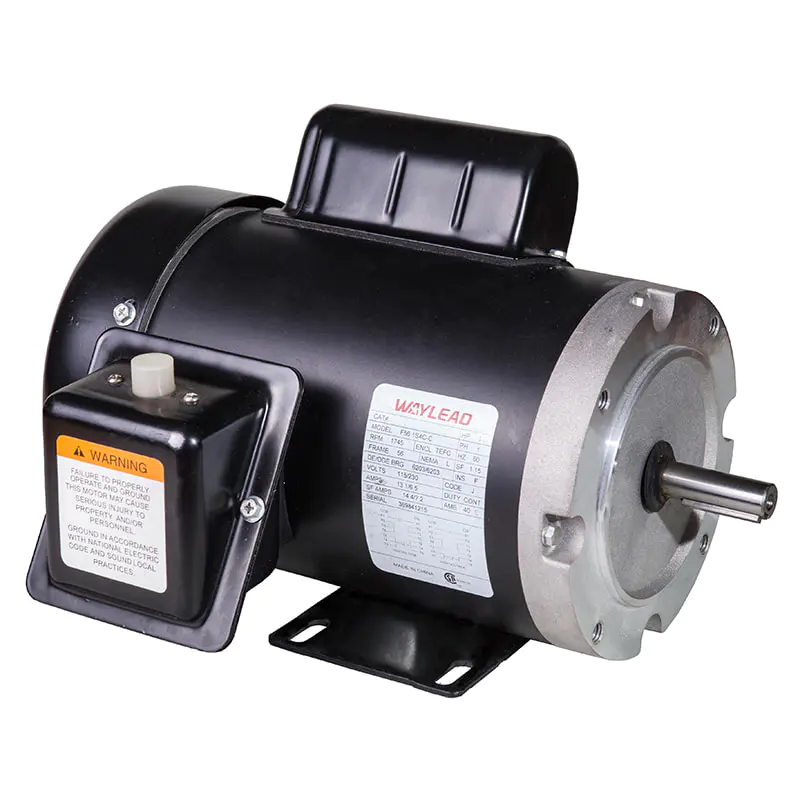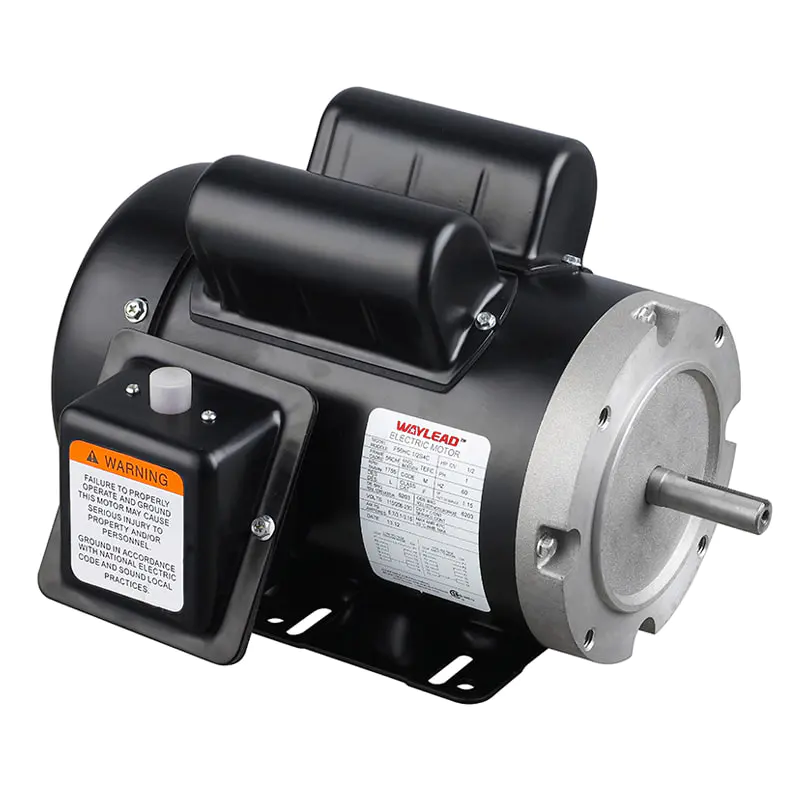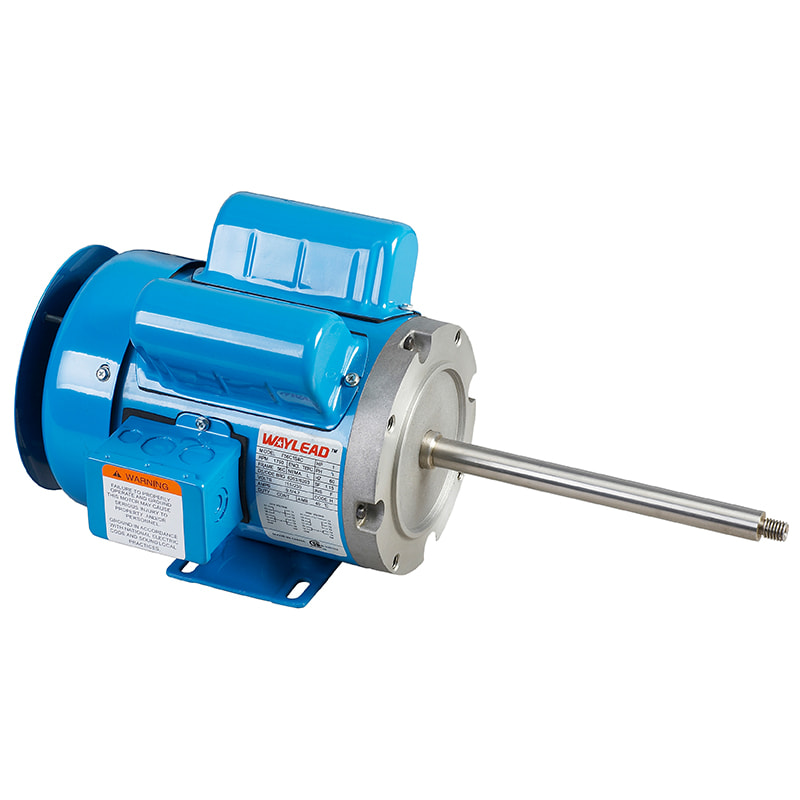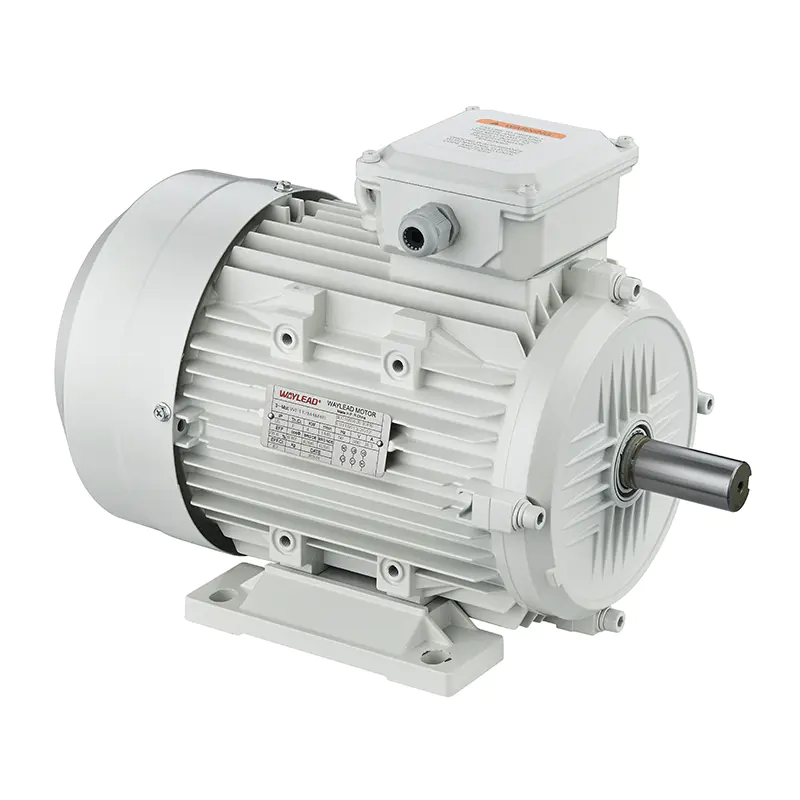
In today’s industrial and commercial sectors, energy efficiency and reliability are critical factors when selecting electric motors. One motor type that has gained significant attention is the IE3 Motor. Designed to meet international energy efficiency standards, IE3 motors offer numerous advantages over traditional motors, providing both environmental and economic benefits. Understanding these performance advantages can help industries make informed decisions for their operations.
The term IE3 Motor refers to the International Efficiency (IE) classification of electric motors set by the International Electrotechnical Commission (IEC). The IE classification ranges from IE1 to IE4:
IE3 motors are designed to deliver premium efficiency, meaning they consume less energy while maintaining high performance. They have become the standard choice in many regions due to regulatory compliance requirements and growing emphasis on energy conservation.
The most notable advantage of the IE3 Motor is its high energy efficiency. IE3 motors typically achieve efficiency levels 3–6% higher than IE2 motors. This efficiency translates into reduced electrical consumption, which is particularly beneficial for industrial operations running motors continuously over long periods.
Efficient motors generate less heat during operation. The IE3 Motor operates cooler than IE1 or IE2 motors, which reduces the thermal stress on components such as bearings and windings. This results in longer motor lifespan and decreased maintenance requirements.
The construction of IE3 motors often incorporates high-quality materials, optimized winding techniques, and better insulation systems. These design improvements contribute to:
Many IE3 motors feature improved rotor and stator designs that minimize vibration and noise. In environments such as factories or commercial buildings, reduced motor noise improves working conditions and decreases noise pollution.
IE3 motors are highly compatible with Variable Frequency Drives (VFDs), allowing precise speed control and energy optimization. This is particularly valuable in applications like pumps, fans, and conveyor systems, where variable loads are common. Using an IE3 motor with a VFD can result in energy savings of up to 30% compared to traditional motor control methods.
While IE2 motors are already considered high-efficiency, IE3 motors surpass them in several areas:
Compared to standard IE1 motors, IE3 motors offer dramatic improvements:
IE4 motors provide even higher efficiency than IE3, but they come with higher costs and sometimes require more complex control systems. For many applications, IE3 motors strike an ideal balance between performance and cost-efficiency, making them the preferred choice for industries aiming for compliance and savings without excessive upfront investment.
IE3 motors are widely used across industries due to their efficiency, durability, and adaptability:
Adopting IE3 motors contributes to sustainable industrial practices. Their energy efficiency reduces electricity demand, which in turn lowers carbon emissions and supports global efforts toward greener manufacturing. Economically, businesses benefit from lower energy costs, fewer maintenance requirements, and extended motor lifespan, which collectively improve overall operational efficiency.
To maximize the advantages of an IE3 Motor, proper installation and maintenance are critical:
Yes, IE3 motors generally have a higher upfront cost compared to IE1 or IE2 motors. However, the long-term energy savings and reduced maintenance costs often justify the initial investment.
In most cases, yes. IE3 motors can be installed in place of IE2 motors, but it’s important to check compatibility with the load, supply voltage, and motor control systems.
No special maintenance is required beyond standard procedures. Regular inspection, lubrication, and cleaning are sufficient to maintain peak performance.
Many IE3 motors are designed with durable housings and insulation suitable for industrial environments. It is advisable to select motors with appropriate IP ratings and protective coatings for extreme conditions.
The energy savings depend on the application and load conditions. On average, IE3 motors can save 3–10% of energy compared to IE2 motors and up to 15% compared to IE1 motors.
IE3 motors represent a significant step forward in electric motor efficiency, reliability, and sustainability. Their high energy efficiency, reduced heat generation, and compatibility with modern control systems make them a preferred choice for industries seeking to reduce operating costs while complying with environmental regulations. By investing in IE3 Motors, companies can enjoy long-term economic benefits, improved reliability, and a positive environmental impact.
Copyright © 2018 Cixi Waylead Motor Manufacturing Co., Ltd.All Rights Reserved.
 Login
Wholesale AC Motor Manufacturers
Login
Wholesale AC Motor Manufacturers