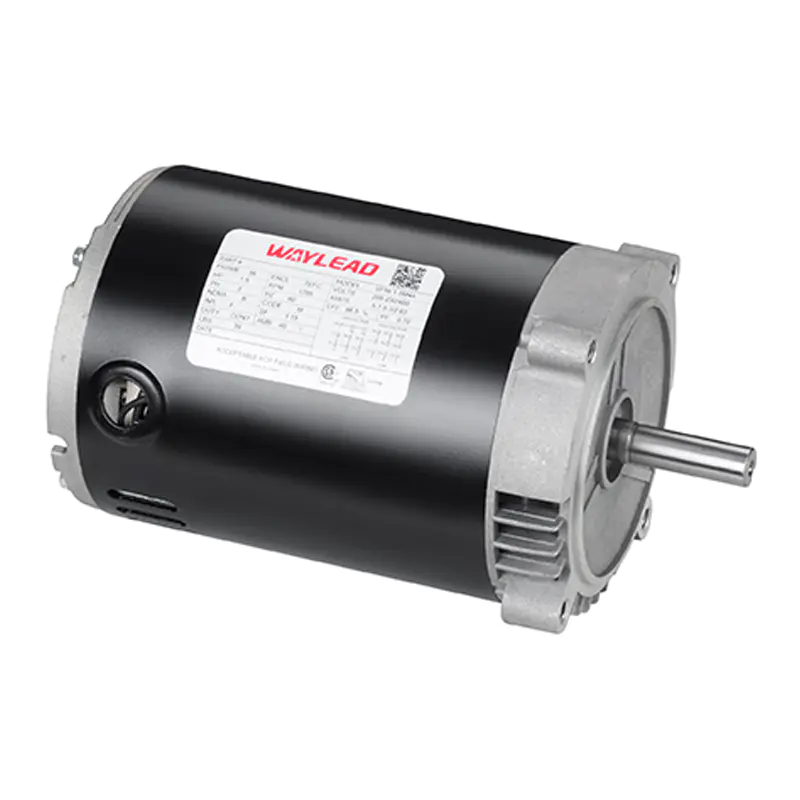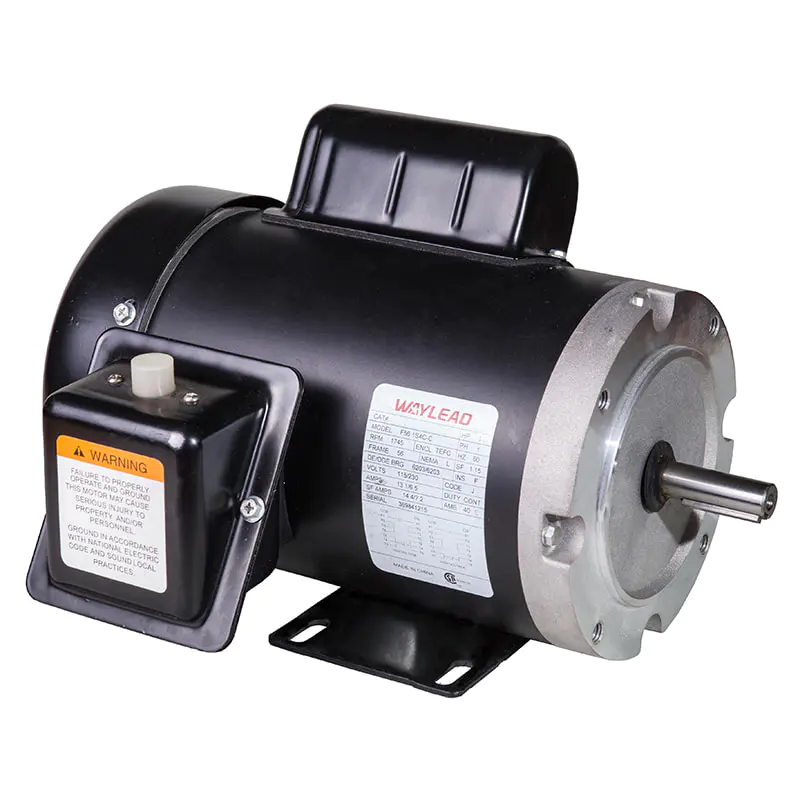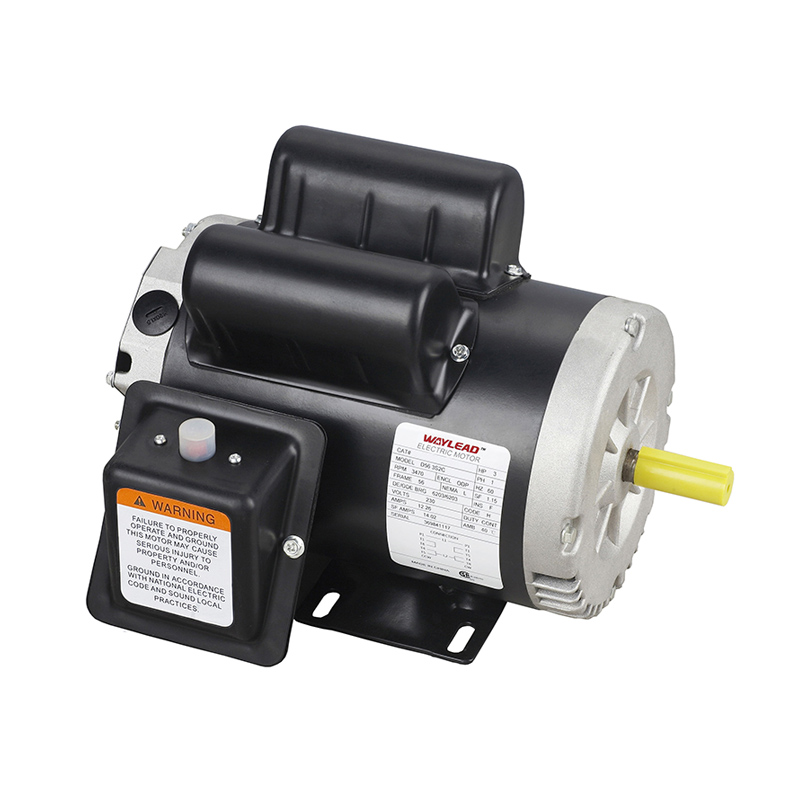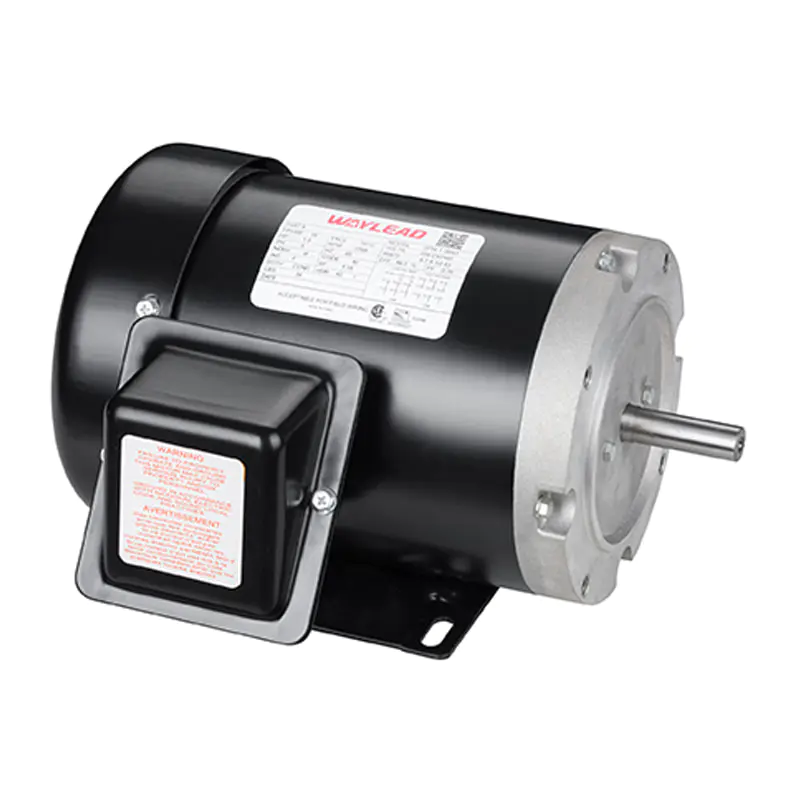
The IE3 Motor, also known as a premium efficiency motor, represents one of the most energy-efficient motor classifications in the international efficiency standards. It is widely used in industrial applications, commercial equipment, and manufacturing facilities where energy consumption and operational costs are key considerations. The IE3 standard is part of the International Electrotechnical Commission's (IEC) efficiency classes, which include IE1 (Standard Efficiency), IE2 (High Efficiency), IE3 (Premium Efficiency), and IE4 (Super Premium Efficiency).
Energy efficiency for motors is defined by how effectively electrical energy is converted into mechanical power. The IE3 Motor achieves higher efficiency through improved design, precision manufacturing, and the use of high-quality materials such as low-loss electrical steel and optimized winding techniques. Efficiency levels are typically measured under full-load conditions and expressed as a percentage.
The IE3 Motor achieves higher energy efficiency through several technological enhancements:
Understanding the difference between an IE3 Motor and an IE2 motor is crucial for businesses aiming to reduce energy costs:
| Feature | IE2 Motor | IE3 Motor |
|---|---|---|
| Efficiency (%) | 85–89 | 88–92 |
| Energy Loss | Moderate | Low |
| Operational Cost | Higher over long-term use | Lower over long-term use |
| Initial Cost | Lower | Higher |
| Lifespan | Standard | Extended due to lower heat and stress |
While IE3 motors require a higher upfront investment, the long-term energy savings and extended lifespan make them a cost-effective choice for most industrial applications. In regions where electricity costs are high, the return on investment (ROI) for IE3 motors can be realized within a few years.
The IE3 Motor is widely adopted across multiple sectors due to its energy-saving benefits and reliability:
Choosing an IE3 Motor has both environmental and economic advantages:
To maximize the energy efficiency of an IE3 Motor, proper installation and maintenance are essential:
An IE3 Motor typically provides 3–5% higher efficiency than an IE2 motor. Although this may seem small, it results in significant energy savings over extended operating periods.
Yes, IE3 motors can replace IE2 or IE1 motors in most industrial and commercial applications, but the initial cost is higher. For applications with continuous operation, the energy savings justify the investment.
By reducing energy consumption and minimizing heat loss, IE3 motors decrease electricity demand, which in turn reduces carbon emissions from power generation.
Maintenance requirements are similar to standard motors, but regular checks on cooling systems and load management are recommended to maintain peak efficiency.
Yes, IE3 motors are compatible with VFDs, which can further enhance energy savings by adjusting motor speed according to demand.
The IE3 Motor stands out as a premium energy-efficient solution for modern industrial, commercial, and renewable energy applications. With efficiency levels ranging from 88–92%, reduced energy loss, and long-term cost savings, IE3 motors represent a strategic choice for businesses aiming to optimize performance and sustainability. Although the initial investment is higher than IE2 motors, the combination of energy efficiency, extended lifespan, and environmental benefits makes the IE3 Motor a smart long-term solution for energy-conscious operations.
Copyright © 2018 Cixi Waylead Motor Manufacturing Co., Ltd.All Rights Reserved.
 Login
Wholesale AC Motor Manufacturers
Login
Wholesale AC Motor Manufacturers