A fire pump motor is a continuous-duty industrial electric motor that drives the fire pump in a fire protection system, converting electrical energy into the hydraulic pressure that sprinklers and standpipes need. The practical definition for a buyer is simpler: it is the component most likely to decide whether the pump starts when it must. Selecting the correct motor is therefore a matter of matching horsepower to the pump curve, choosing the right phase and voltage, picking an enclosure that fits the environment, and staying within the requirements of NFPA 20 and NEC Article 695.
Why Fire Pump Motor Selection Matters
Fire pump motors cannot be selected by horsepower alone, because starting conditions, code requirements, and environmental factors determine whether the pump will perform when it is needed. A motor that is too small does not accelerate the pump to rated speed, so the system pressure stays below the design point. A motor that is too large raises the cost of the controller, conductors, and standby generator, and its higher starting current can cause nuisance trips. The correct motor carries the pump's maximum brake horsepower with a comfortable margin, starts reliably under the available line voltage, and delivers continuous torque without overheating.
Key Specifications for Fire Pump Motors
Every fire pump motor should be assessed against the same short list of specifications before it is mounted to the pump. The table below shows the values that appear most often in commercial fire pump packages.
| Specification | Typical Value or Requirement |
|---|---|
| Horsepower | 0.5 to 20 HP, sized from the pump curve |
| Phase | Three-phase preferred; single-phase for small pumps |
| Voltage | 208, 230, 460, or 575 V depending on the supply |
| Frame size | NEMA 48 to 250 covers most commercial fire pump motors |
| Speed | 3600, 1800, or 1200 rpm to match the pump curve |
| Duty class | Continuous duty (S1) |
| Enclosure | ODP for clean indoor rooms; TEFC for outdoor or contaminated areas |
Three specifications have an outsized effect on reliability. Consider each one carefully before ordering:
- Horsepower, recalculated from the pump curve rather than copied from the old motor nameplate.
- Locked-rotor current, which determines whether the motor can accelerate under the actual terminal voltage.
- Frame size and shaft extension, which control the mechanical fit between the motor and the pump.
Single-Phase vs. Three-Phase Fire Pump Motors
Three-phase motors are the standard choice for fire pump service above about one horsepower because they deliver higher starting torque, better efficiency, and simpler starting than single-phase motors. They do not rely on starting capacitors or centrifugal switches, which are the two most common failure points in a single-phase motor design.
Single-phase motors still appear in small fire pump packages where the building has no three-phase supply. In that case, choose a capacitor-start or capacitor-start-run motor with a robust switch mechanism and confirm that it meets the same code requirements for listing and reliability. If three-phase power is available at all, three-phase is almost always the safer decision.
Jockey pumps are a separate matter. They maintain system pressure using a small motor that is not classified as a fire pump motor, but it should still be sized conservatively because frequent starting is its normal operating pattern.
Enclosure: ODP or TEFC?
Enclosure selection is driven primarily by the physical location of the motor. An open dripproof (ODP) motor is appropriate when the pump room is clean, dry, and protected from drip or spray, which is the normal condition inside a compliant fire pump room. A totally enclosed fan-cooled (TEFC) motor is the better choice for outdoor mounting, dusty environments, or pump pits that may flood during routine maintenance.
- ODP: lower cost, adequate in clean indoor pump rooms, requires good ventilation.
- TEFC: keeps out dust and moisture, better for outdoor and semi-exposed locations.
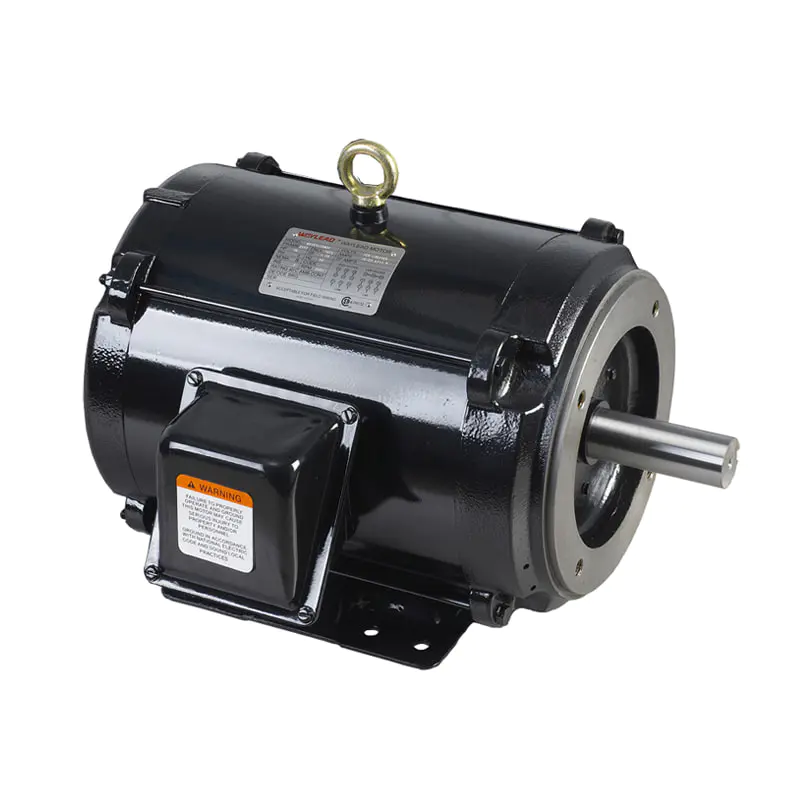
- Cast-iron TEFC: maximum corrosion and impact resistance for harsh or coastal sites.
Cast-iron TEFC construction adds corrosion resistance and mechanical strength. It costs more, but the premium is small compared with the cost of replacing a fire pump motor after a flood or a dust clog. When there is any doubt about the installation environment, choose the more protective enclosure.
Matching the Motor to the Pump Configuration
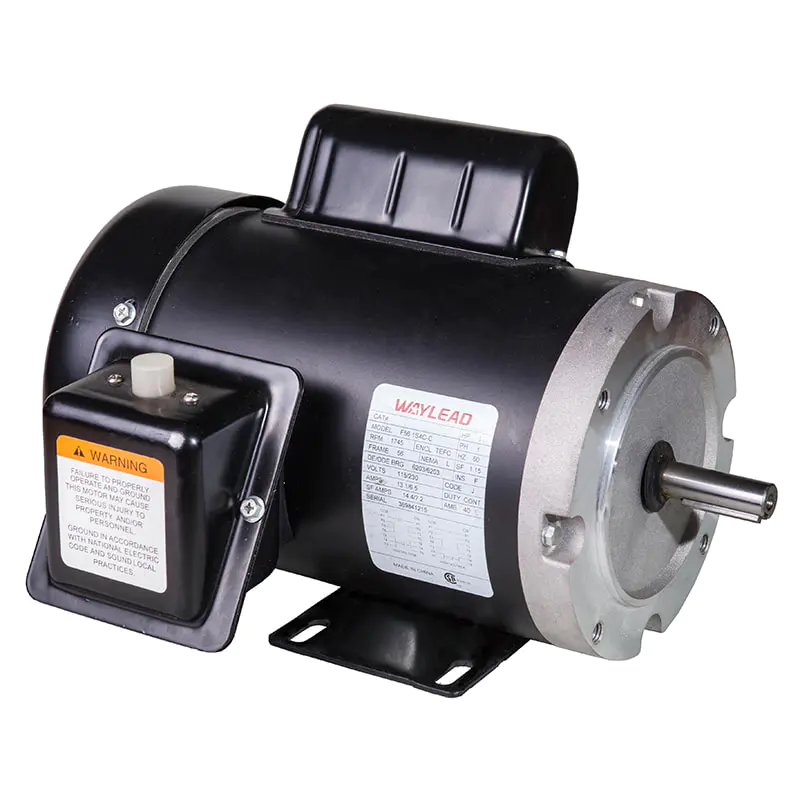
Fire pumps are usually close-coupled, with the impeller mounted directly on the motor shaft, or they are baseplate-mounted with a flexible coupling between the motor and the pump. Close-coupled fire pumps use NEMA JM or JP frame motors, and the two are not interchangeable because the shaft length and seal cavity depth differ.
A three-phase JM close-coupled pump motor matches pumps with mechanical shaft seals, where the impeller position is fixed by the motor bearings.
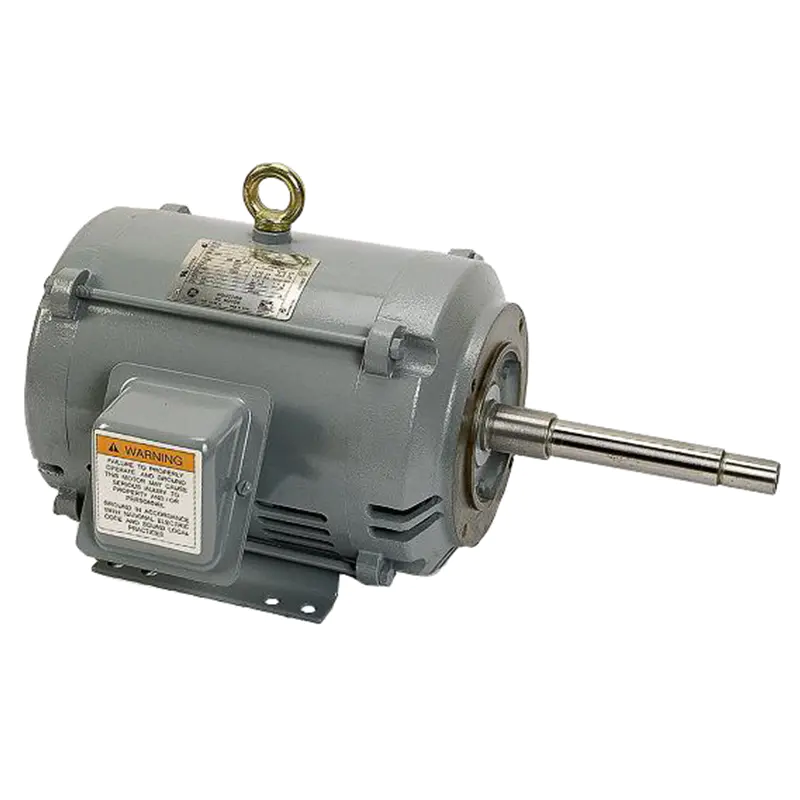 OEM Three-Phase JM Close-Coupled Pump Motor Suppliers, Company - Cixi Waylead ElWaylead Electric Motor Manufacturing Co.,Ltd is china OEM Three-Phase JM Close-Coupled Pump Motor suppliers and company, detail:Features:...View Product →
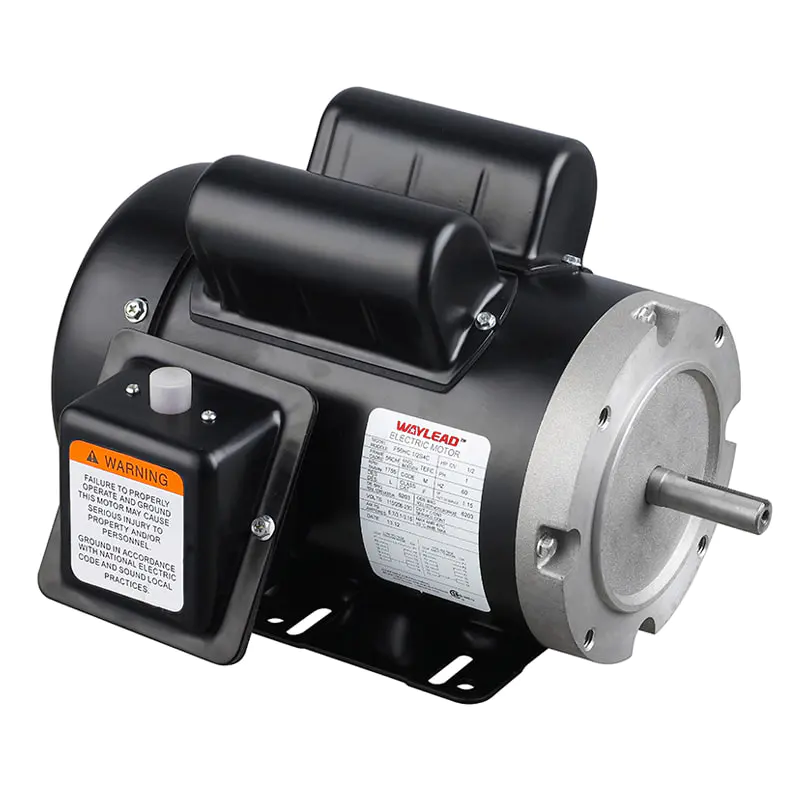
For pumps that use packing seals, a three-phase JP close-coupled pump motor provides the longer shaft and deeper seal cavity needed for packing adjustment. If you are replacing a motor on an existing pump, measure the shaft extension and seal cavity depth before ordering.
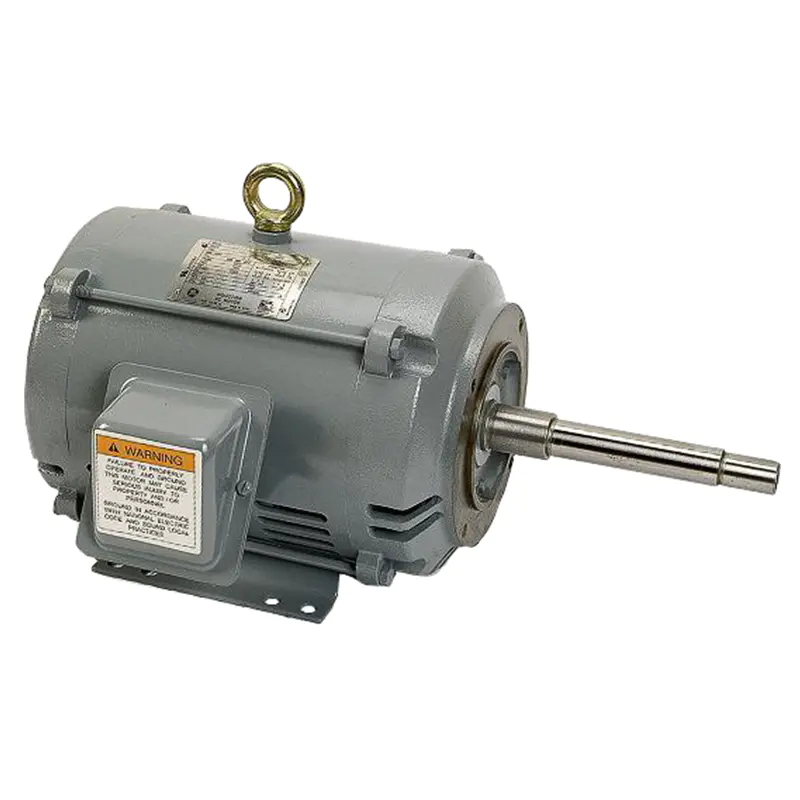 OEM Three-Phase JP Close-Coupled Pump Motor Suppliers, Company - Cixi Waylead ElWaylead Electric Motor Manufacturing Co.,Ltd is china OEM Three-Phase JP Close-Coupled Pump Motor suppliers and company, detail:Features:...View Product →
Baseplate-mounted pumps follow the same selection logic: horsepower to match the pump curve, speed to match the impeller rating, and an enclosure to suit the environment. The coupling alignment is handled at installation, so the motor can be a standard NEMA foot-mounted unit.
Efficiency, Heat, and Energy Compliance
Premium efficiency motors are worth specifying in fire pump service for two reasons: they reject less heat into the pump room, and they consume less energy during start tests and fire events. Many jurisdictions now require new motors to meet premium efficiency levels, so a motor purchased today should not block compliance later.
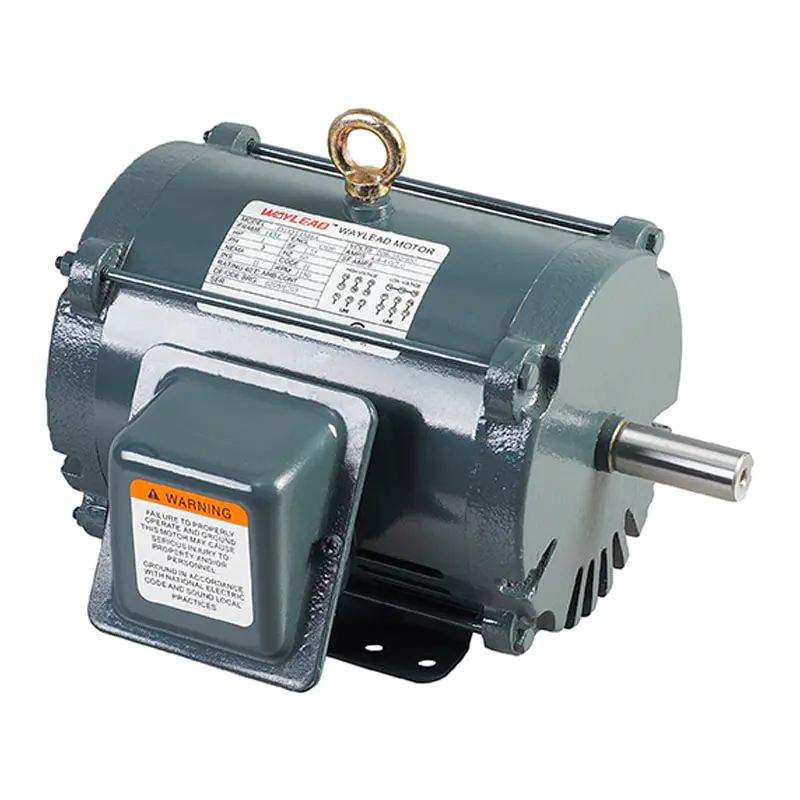
A three-phase totally enclosed high-efficiency motor combines the energy performance expected by regulators with the rugged enclosure recommended for critical installations. It is a conservative choice that keeps the fire pump room cooler and simplifies future code reviews.
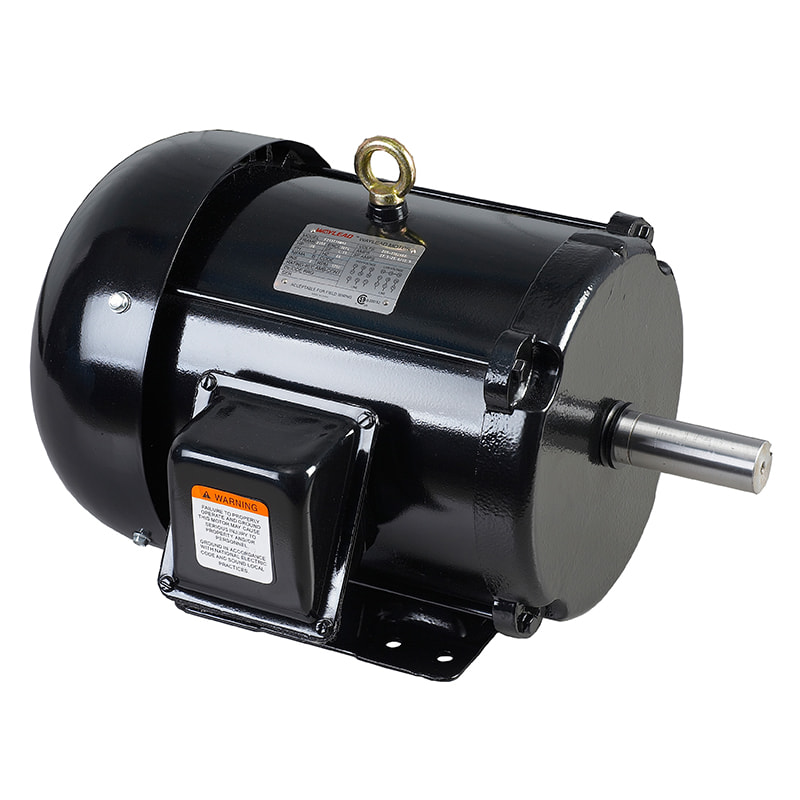 OEM Three-Phase Totally Enclosed High-Efficiency Motor Suppliers, Company - CixiWaylead Electric Motor Manufacturing Co.,Ltd is china OEM Three-Phase Totally Enclosed High-Efficiency Motor suppliers and company, detai...View Product →
Maintenance and Reliability
The maintenance routine that extends fire pump motor life is short, specific, and inexpensive. Working through these points regularly is faster than it sounds:
- Keep the motor clean so cooling airflow reaches the windings.
- Grease the bearings on the manufacturer's schedule and avoid over-greasing.
- Measure winding insulation resistance with a megohmmeter and track the values.
- Run the pump weekly and confirm the motor reaches rated speed and draws nameplate current.
Most unscheduled failures trace back to moisture, worn bearings, or failed starting components. A damp pump room is the fastest way to ruin a dripproof motor, so verify ventilation and add a space heater if condensation appears. For a practical walkthrough of failure patterns, refer to this guide to troubleshooting common pump motor failures and reducing downtime.
Frequently Asked Questions
Can a standard industrial motor be used as a fire pump motor?
Only a motor that is listed for fire pump service and meets NFPA 20 requirements should be used. Most authorities having jurisdiction require the entire pump set, including the motor, to be approved as a fire protection assembly. A general-purpose motor with the same horsepower is not automatically acceptable.
What is locked-rotor current and why does it matter?
Locked-rotor current is the current drawn the instant a motor is energized before the shaft starts to rotate. Fire pump motors start across the line, so the controller, conductors, and any standby generator must handle this surge while keeping the terminal voltage high enough for the motor to accelerate.
Is a single-phase motor acceptable for a fire pump?
Small fire pumps operating from an available single-phase supply can use a single-phase motor. The motor must still be sized to the pump curve and meet the same listing and reliability requirements. Three-phase is strongly preferred whenever the supply permits it.
How often should a fire pump motor be tested?
NFPA 25 calls for a weekly run test of the fire pump assembly and a full-flow test at least once a year. The motor must start automatically, accelerate the pump to rated speed, and run without tripping thermal or overcurrent protection.
Does motor efficiency affect fire pump output?
Efficiency does not change the pump's hydraulic output, but it does affect the operating cost, the heat rejected into the pump room, and compliance with modern energy regulations. A premium-efficiency motor runs cooler and costs less to operate over the life of the system.